
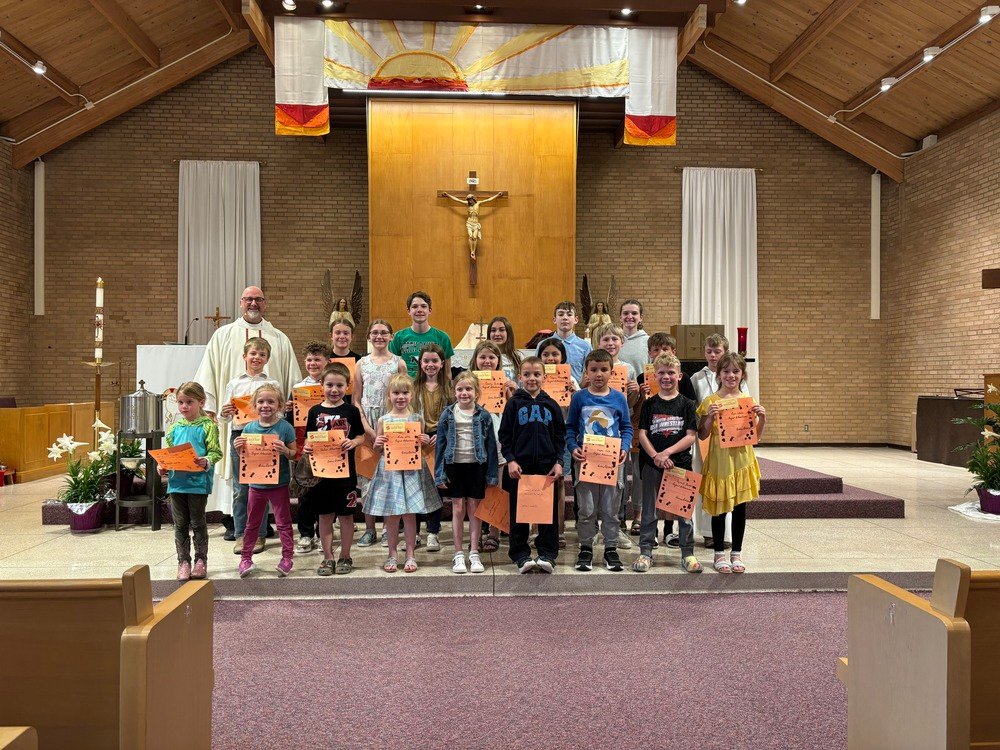
When parents hear about CCD Catholic programs, they often wonder what they are, how they work, and why they matter. CCD stands for Confraternity of Christian Doctrine, and it plays a central role in helping children and even adults grow in their Catholic faith. While Catholic schools provide a full-time religious education, CCD offers faith formation for those who attend public schools or are new to the Church. Let’s take a deep dive into everything you need to know about CCD Catholic education, its history, structure, and importance in today’s world.
What is CCD in the Catholic Church?
CCD Catholic education refers to weekly religious instruction programs designed to teach children and adults the fundamentals of Catholicism. The acronym CCD comes from the Confraternity of Christian Doctrine, a religious organization founded in the 16th century to provide systematic catechesis.
These programs cover:
- Catholic beliefs and traditions
- Preparation for sacraments like First Communion and Confirmation
- Understanding the Bible and Church teachings
- Encouraging active participation in parish life
For many families whose children attend public schools, CCD offers the foundation of Catholic faith formation. Even today, thousands of parishes worldwide continue to run CCD classes as a vital part of Catholic religious education.
The Origins and History of CCD Catholic Programs
CCD Catholic programs trace their roots back to Rome in 1562, when a priest named St. Charles Borromeo and others sought to improve religious education among children and the poor. By 1569, Pope Pius V gave official recognition to the Confraternity of Christian Doctrine, which spread across Europe.
Over time, the CCD movement became the backbone of Catholic catechesis outside of Catholic schools. In the United States, CCD took off during the late 19th and 20th centuries as millions of Catholic immigrant families enrolled their children in public schools. The parish CCD program ensured that those children still received structured religious formation.
Quick Timeline of CCD History:
| Year | Event |
| 1562 | CCD founded in Rome to teach catechism |
| 1569 | Pope Pius V grants recognition |
| 1600s–1700s | CCD spreads across Europe |
| 1800s | Brought to America with Catholic immigrants |
| 20th century | Expanded through parish-based programs |
| Post–Vatican II | Renewed focus on catechesis and active participation |
Purpose of CCD in Catholic Education
The main goal of CCD Catholic programs is to pass down the faith in a structured and meaningful way. The Church teaches that parents are the primary educators of faith, but parishes provide CCD as support.
CCD serves several purposes:
- Teaching the Catechism: Children learn Catholic beliefs, prayers, and traditions.
- Preparing for Sacraments: CCD students prepare for First Holy Communion, Reconciliation, and Confirmation.
- Building Catholic Identity: Classes strengthen belonging to the Church community.
- Lifelong Faith Formation: Many CCD programs extend into adulthood through RCIA (Rite of Christian Initiation of Adults).
Think of CCD as the Catholic version of Sunday school, but with a deeper focus on catechesis, sacramental preparation, and community involvement.
CCD Catholic vs Catholic School, What’s the Difference?
Parents often ask: Should I send my child to a Catholic school, or is CCD enough? The answer depends on your family’s needs, but it’s helpful to see the distinctions.
| Feature | CCD Catholic | Catholic School |
| Schedule | 1–2 hours per week | Full-time, daily classes |
| Audience | Children in public schools | Enrolled students only |
| Focus | Religious education only | Full academic + faith formation |
| Teachers | Volunteer catechists | Professional educators |
| Cost | Usually low or free | Tuition-based |
CCD is ideal for families with children in public schools, while Catholic schools integrate faith into every subject. Both paths, however, emphasize sacramental preparation and community involvement.
Structure of a CCD Program
A typical CCD Catholic program is organized by age group, beginning in early elementary school and continuing through high school.
- Elementary Grades: Basic prayers, Bible stories, introduction to sacraments.
- Middle Grades: Deeper understanding of faith, morality, and the Mass.
- High School: Preparation for Confirmation, discussions on living faith as young adults.
Classes usually meet once a week, either on Sundays or a weekday evening, depending on the parish schedule. Each class is led by a catechist, a trained volunteer teacher who shares Catholic faith with students.
Sacraments and CCD Catholic Preparation
Sacramental preparation is one of the most important aspects of CCD.
- First Holy Communion: Usually in 2nd grade, students prepare to receive the Eucharist.
- First Reconciliation (Confession): Often combined with Communion preparation.
- Confirmation: Typically in middle or high school, students deepen their commitment to the Church.
- Ongoing Formation: Adults who missed sacraments can join RCIA classes.
Without CCD or Catholic school, children wouldn’t have the preparation required to receive these sacraments, which are central to Catholic life.
Who Can Attend CCD Catholic Classes?
CCD is open to almost everyone. Generally, it includes:
- Children in public schools who don’t attend Catholic schools.
- Parish families who want structured religious education for their children.
- Adults seeking conversion through RCIA programs.
- Special-needs students, as many parishes provide adapted CCD classes.
This openness makes CCD a bridge for families of all backgrounds to engage with Catholic education.
How to Enroll in CCD Catholic Programs
Most parishes follow a simple registration process.
Steps to enroll:
- Contact your local parish office.
- Provide documents like a baptismal certificate.
- Complete a registration form and pay a small fee (if required).
- Attend parent orientation meetings.
Many parishes also encourage parents to volunteer as catechists or helpers, strengthening the bond between family and parish.
Benefits of CCD for Families and Communities
CCD is not just about learning prayers and doctrines. It also strengthens Catholic families and communities.
Key benefits include:
- Passing down Catholic traditions to younger generations
- Building friendships among children who share the same faith
- Helping parents stay engaged in parish life
- Offering ongoing spiritual growth for the entire family
Challenges and Misconceptions About CCD Catholic Programs
Like any program, CCD faces challenges. Some parents mistakenly believe CCD is “less than” Catholic school education. Others struggle with scheduling conflicts or lack of volunteer catechists.
Common misconceptions:
- CCD is only for children (adults can join too through RCIA)
- CCD isn’t as effective as Catholic school (it depends on family involvement)
- CCD is optional for sacraments (in reality, it’s often required)
Parishes continue to improve CCD programs by using better resources, training catechists, and encouraging active family participation.
The Role of Catechists in CCD
Catechists are the heart of every CCD Catholic program. They are volunteers often parents or parishioners who dedicate their time to teaching the faith.
Catechists’ responsibilities include:
- Leading weekly classes
- Guiding children through sacramental preparation
- Modeling Catholic values in daily life
- Continuing their own faith education through workshops
Their dedication ensures CCD continues to thrive even in parishes without Catholic schools.
Modern CCD Catholic Programs in Today’s World
Today, CCD Catholic programs are adapting to modern needs. Many parishes now use:
- Digital learning tools (apps, online lessons)
- Hybrid models (in-person + virtual classes)
- Interactive activities like role-play, group projects, and parish service
- Cultural inclusivity to embrace diverse families
The future of CCD lies in blending tradition with innovation, ensuring that faith remains relevant to the next generation.
FAQs About CCD Catholic Programs
What age do kids start CCD?
Most begin in 1st grade, though it can vary.
How long does CCD last?
Classes usually run September to May, once a week.
Do you need CCD to receive sacraments?
Yes, unless you attend a Catholic school, CCD is required for sacramental preparation.
Can adults join CCD?
Adults usually enter through RCIA, which serves a similar purpose.
Is CCD the same as Sunday school?
Yes, CCD is often referred to as Catholic Sunday school, though it has a deeper focus on catechesis.
Conclusion, Why CCD Catholic Programs Still Matter
CCD Catholic programs remain a cornerstone of faith formation in the Church. They provide children and adults with the tools to grow spiritually, prepare for the sacraments, and live out their Catholic identity. More than just classes, CCD builds a community of faith where generations can learn, pray, and serve together.
If you’re a Catholic parent or someone exploring the faith, enrolling in CCD is one of the most impactful steps you can take. It’s not just about learning doctrine it’s about living the Catholic life in a world that needs faith, hope, and love more than ever.