
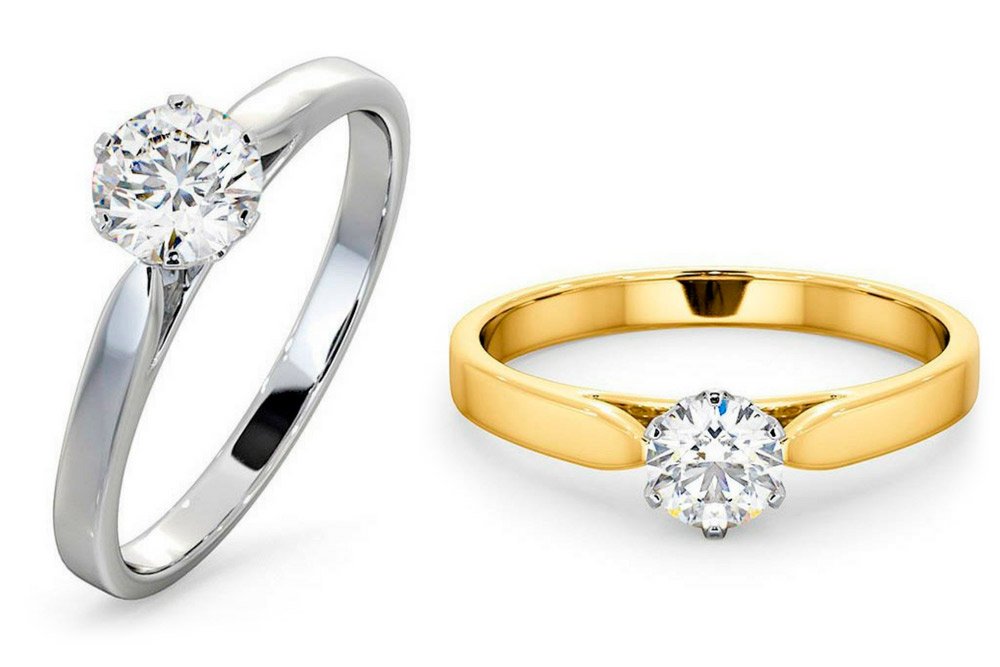
Gold has always been the symbol of elegance, wealth, and timeless beauty. Yet when it comes to buying jewelry today, you’re often faced with a big decision: white gold vs yellow gold. Both metals have their own charm, durability, and cultural appeal. The real challenge is figuring out which one aligns best with your lifestyle, skin tone, and budget.
This guide breaks down everything you need to know so you can make the perfect choice.
What is White Gold?
Composition and Alloys in White Gold
White gold isn’t naturally white.Pure yellow gold with white metals like nickel, palladium, or silver. Jewelers then coat it with rhodium, a rare and shiny metal from the platinum family, to give it that bright silvery sheen. Rhodium plating also enhances durability and prevents tarnish, but it does wear off over time, requiring re-plating every few years.
Appearance and Style
White gold’s sleek, modern look makes it a favorite for engagement rings and wedding bands. Its neutral color also pairs beautifully with diamonds and gemstones, enhancing their sparkle without overshadowing them.White gold is a strong candidate if you favor jewelry with a polished, modern feel.
Common Uses of White Gold
- Engagement rings with diamonds
- Modern wedding bands
- Everyday minimalist jewelry
- Jewelry settings for sapphires, emeralds, and other vibrant gems
What is Yellow Gold?
Composition and Purity Levels in Yellow Gold
Yellow gold keeps its traditional golden color because rather than white metals, it is alloyed with copper and zinc. It comes in different karat levels:
- 10K: 41.7% gold – durable but less vibrant
- 14K: 58.3% gold; balance of strength and color
- 18K: 75% gold – rich color, slightly softer
- 22K: 91.6% gold – deep yellow, often used in cultural jewelry
Appearance and Style
Yellow gold never outdates and has a rich, warm radiance. It carries a vintage charm and feels especially luxurious in higher karat versions. For those who love traditional elegance and heirloom-quality pieces, yellow gold is the classic choice.
Common Uses of Yellow Gold
- Vintage-inspired engagement rings
- Traditional wedding bands
- Heirloom jewelry passed down generations
- Cultural ornaments in South Asian, Middle Eastern, and Mediterranean regions
White Gold vs Yellow Gold – Key Differences
Here’s how these two metals compare side by side:
| Feature | White Gold | Yellow Gold |
| Color | Silvery-white, modern look | Warm, golden tone |
| Composition | Gold + nickel/palladium + rhodium plating | Gold + copper/zinc alloys |
| Durability | Strong but requires rhodium re-plating | Softer, scratches more easily but easy to polish |
| Maintenance | Needs re-plating every 2–3 years | Minimal maintenance |
| Best For Skin Tone | Cool undertones | Warm undertones |
| Cost | Slightly more expensive due to rhodium | Varies by purity (10K to 22K) |
The benefits and drawbacks of white gold vs yellow gold
Every choice has its upsides and downsides. Let’s break it down:
White Gold Pros
- Sleek and modern appeal
- Pairs perfectly with diamonds
- Durable and resistant to tarnish
White Gold Cons
- Requires rhodium re-plating
- May cause allergic reactions if alloyed with nickel
- Slightly pricier than yellow gold
Yellow Gold Pros
- Classic, timeless beauty
- Easier to maintain and polish
- Hypoallergenic when higher karat (18K or 22K)
Yellow Gold Cons
- Softer and scratches easily
- May bend or dent in high-purity forms
- Doesn’t pair as well with cooler skin tones
Choosing Between White Gold and Yellow Gold
Consider Your Skin Tone
- Cool undertones (pink or bluish veins): White gold flatters you better.
- Warm undertones (greenish veins): Yellow gold complements your natural glow.
Think About Lifestyle and Maintenance
If you lead an active lifestyle and want jewelry that withstands wear, white gold with rhodium plating may serve you well. If you prefer low maintenance and are fine with the occasional polish, yellow gold fits the bill.
Match with Gemstones and Diamonds
- Diamonds often sparkle brighter in white gold settings.
- Colored gemstones like rubies and emeralds pop beautifully against yellow gold.
Budget Considerations
White gold tends to cost a bit more due to rhodium, while yellow gold’s price heavily depends on its karat level. 14K yellow gold is usually the sweet spot for affordability and durability.
Case Studies and Real-Life Examples
- Modern Brides: A growing number of couples choose white gold engagement rings because they complement the brilliance of diamonds and blend well with platinum wedding bands.
- Heritage Jewelry Lovers: Families in South Asia and the Middle East still prefer 22K yellow gold jewelry, often gifting ornate pieces during weddings as a symbol of tradition and wealth.
“I wanted something timeless for my engagement ring, so I picked yellow gold. My best friend went for white gold because she loved how it looked with her diamond. In the end, it’s all about what feels right for you.” — A bride-to-be in New York
FAQs on White Gold vs Yellow Gold
Is white gold real gold?
Yes, it’s a mix of real yellow gold and white metals, plated with rhodium.
Which lasts longer, white gold or yellow gold?
Both can last a lifetime, but white gold requires more maintenance due to rhodium re-plating.
Which is more valuable?
Value depends on karat and market price of gold, not just the color.
Can yellow gold be turned into white gold?
Not quite. Jewelry makers can make yellow gold look like white gold by plating it, even if the effect is only temporary.
Conclusion – White Gold vs Yellow Gold: Which Should You Buy?
At the end of the day, white gold vs yellow gold isn’t about which is better but which is better for you. White gold wins for its modern edge and diamond-enhancing brilliance. Yellow gold shines for its warmth, heritage, and timeless elegance.
Make your selection based on your lifestyle, spending habits, complexion, and sense of style. Whichever you decide, you’ll own a piece of jewelry that carries both beauty and lasting value.