
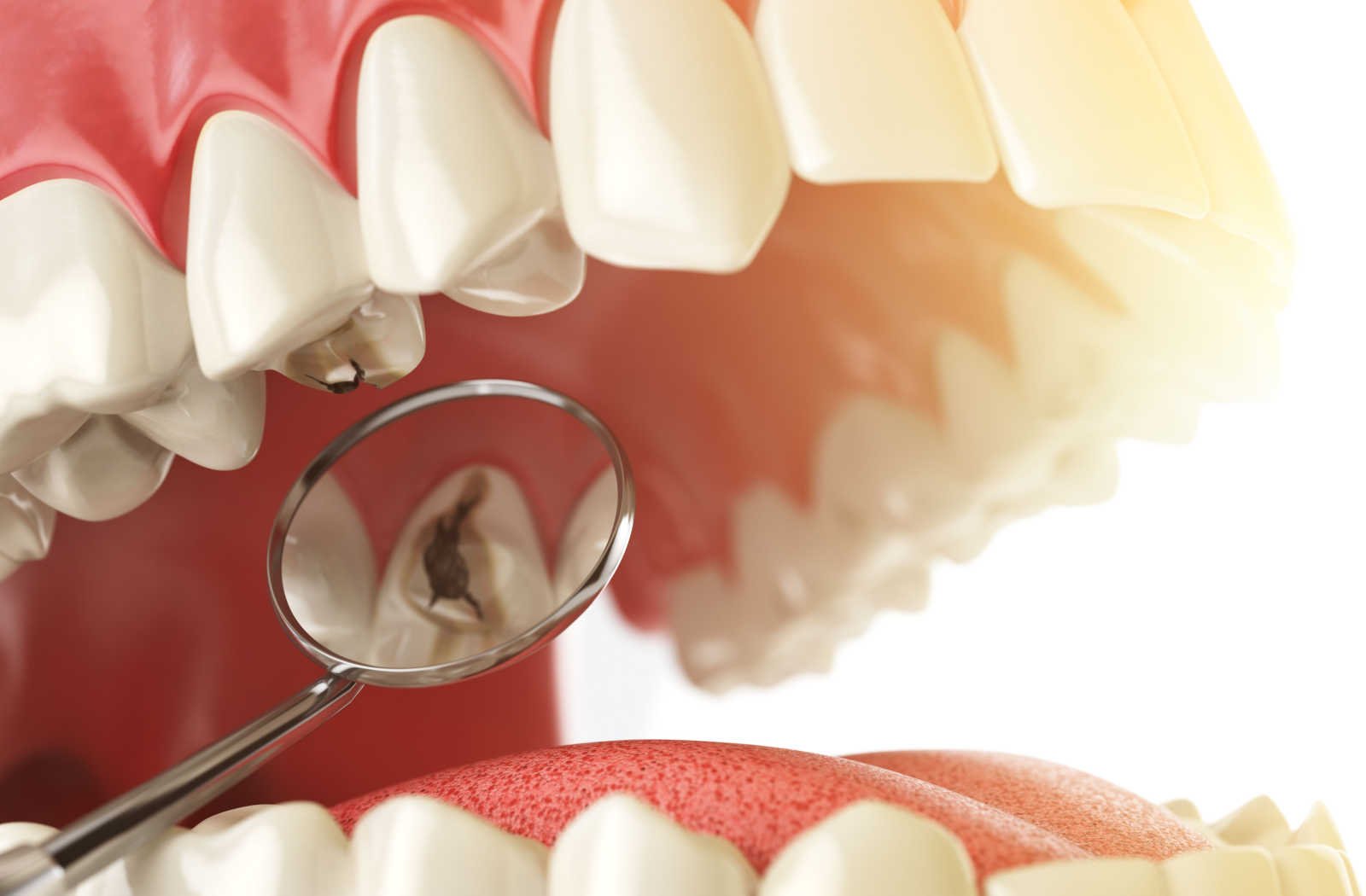
Toothaches often creep in when life already feels chaotic. You notice a sharp sting when you drink something cold and run your tongue over a tiny rough patch. You wonder what everyone eventually asks: Do cavities go away?
The short answer feels simple but the story behind it is far more interesting, and more importantly, incredibly useful for protecting your oral health.
Let’s explore how cavities form, when tooth decay can heal, when it cannot, what science says about remineralization and enamel repair, and how you can stop cavities from getting worse.
What Is a Cavity? Understanding How Tooth Decay Starts
Cavities begin quietly. They develop through a slow breakdown of minerals inside your enamel. When acids from bacteria attack your enamel faster than your saliva can repair it, a soft spot forms. This stage marks the very beginning of tooth decay.
What Actually Causes a Cavity?
Several factors combine to create an environment where cavities thrive.
- Bacteria that feed on sugars
- Acidic byproducts that erode enamel
- Sticky plaque that traps acid on your teeth
- Low saliva flow
- Continuous snacking and sugary drinks
For example, frequent sipping on sodas keeps your mouth in an acidic state for hours. That gives bacteria enough time to weaken your enamel until a cavity forms.
Early-Stage Tooth Decay vs True Cavity
When people ask “do cavities go away?” they’re often confusing two different things:
- Early enamel demineralization (reversible)
- A real cavity, where enamel has broken and a hole has formed (irreversible)
A cavity becomes permanent once the enamel surface collapses. At that point, bacteria invade deeper layers. No amount of brushing or home remedies can make that hole disappear.
Common Symptoms of a Cavity
Early cavities usually stay silent which makes them dangerous. As the decay spreads, symptoms appear:
- Chalky white spots on enamel
- Sensitivity to sweets, cold, heat
- Sharp pain when chewing
- Visible brown or black spots
- A small dent or hole you can feel with your tongue
Do Cavities Go Away on Their Own? The Straightforward Answer
Let’s tackle the main question directly with honesty and clarity.
The Hard Truth — Cavities Do NOT Go Away Once the Enamel Is Broken
When enamel loses minerals, it weakens. When it collapses and a physical hole appears, you now have a true cavity. There is no biological mechanism that allows enamel to regrow enough to fill that hole. Human enamel contains no living cells that can repair structural damage.
Dentists fix this stage with fillings, crowns, or more advanced treatments.
When Tooth Decay Can Be Reversed
However early decay, technically called incipient decay or demineralization, still sits on the surface. Here, the enamel hasn’t cracked yet. This stage can go away because minerals can be added back through remineralization.
Signs you can reverse early decay:
- Chalky or white spots
- No visible hole
- Mild sensitivity
- No dark shadow under enamel
When It’s Too Late to Reverse a Cavity
Once any of the following appear, healing is no longer possible at home:
- A visible hole
- Brown or black spot you can feel
- Pain that lingers after eating
- Sensitivity that gets worse
- A shadow or grey area under the surface
Table: Reversible vs Irreversible Cavities
| Stage | Can It Go Away? | Symptoms | Treatment |
| Early demineralization | Yes | White spots, mild sensitivity | Fluoride, hydroxyapatite, diet change |
| Surface-level cavity | No | Small hole | Filling |
| Dentin cavity | No | Pain with sweets, temperature | Filling or crown |
| Deep cavity into pulp | No | Severe pain, swelling | Root canal |
How Early Cavities Can Go Away (Remineralization Explained)
Healing a cavity sounds impossible until you understand remineralization. Your mouth constantly loses and gains minerals. This natural push-and-pull determines whether decay gets better or worse.
What Is Remineralization?
Remineralization refers to the process where lost minerals such as calcium and phosphate return to the enamel surface. Well-mineralized enamel becomes stronger and more resistant to acids.
Saliva acts as a powerful natural defense. It washes away acids, supplies minerals, and supports enamel repair.
Best Evidence-Based Ways to Reverse Early Decay
- Fluoride Toothpaste and Fluoride Varnish
Fluoride strengthens enamel by forming fluorapatite which resists acid attacks. Dentists often use varnish treatments for rapid reinforcement.
Source: https://www.ada.org/resources/research - Hydroxyapatite Toothpaste
A biomimetic mineral nearly identical to natural enamel. Research shows it rebuilds enamel surface layers effectively.
Source:https://www.ncbi.nlm.nih.gov/ - Xylitol Gum
Xylitol reduces harmful bacteria and boosts saliva flow. - Mineral-Rich Diet
Foods high in calcium, vitamin D, and phosphates strengthen enamel. - Reducing Sugars
Every sugary snack fuels bacteria. Cutting sugar protects enamel from constant acid assaults. - Water Flossers
They clean deep between teeth and disrupt plaque colonies.
Scientific Research on Remineralization
Numerous studies from the ADA, Cleveland Clinic, and NIH highlight the role of fluoride and hydroxyapatite in preventing and reversing early-stage decay.
Research links:
- https://www.ada.org
- https://www.ncbi.nlm.nih.gov/
How Fast Can a Cavity Develop? Understanding the Timeline
Cavity formation doesn’t follow a single timeline. Some cavities take years to form while others appear in a few months.
How Quickly Cavities Form in Kids vs Adults
Kids develop cavities faster because their enamel is thinner. Their diets also tend to contain more sugars and snacks.
Adults take longer unless they smoke, take certain medications, or suffer from dry mouth.
Factors That Accelerate Tooth Decay
- Constant sugar exposure
- Dry mouth (often caused by medications)
- Smoking or vaping
- Heavy plaque buildup
- Acidic drinks like soda or energy drinks
- Poor brushing or flossing habits
- Gum recession exposing vulnerable roots
How Long You Can Wait Before Treatment Becomes Risky
Sometimes a cavity remains small and stable for months. Other times it spreads quickly toward the nerve.
A useful rule:
If you can see or feel a hole, treatment shouldn’t wait longer than a few weeks.
How Dentists Treat Cavities That Won’t Go Away
Dentists offer several treatment options depending on how deep the cavity has grown.
Fluoride Treatments
Used for very early decay. Fluoride varnish helps reharden enamel.
Dental Fillings
The most common treatment. Composite fillings match your natural tooth color.
Crowns and Onlays
Used when a cavity destroys a large portion of the tooth.
Root Canals
Necessary when decay reaches the nerve.
Extraction
A last resort when the tooth is beyond repair.
Diagram: Cavity Progression
Healthy Enamel
Demineralization (Reversible)
Surface Cavity (Irreversible)
Dentin Cavity
Pulp Infection
Abscess
Can Cavities Go Away With Home Remedies? Myths vs Reality
The internet is full of DIY “miracle cures” for cavities. Many sound convincing but fall apart under scientific scrutiny.
Oil Pulling
May improve gum health but does not heal cavities.
Herbal Pastes or Clove Oil
Clove oil numbs pain but does not rebuild enamel.
Charcoal Toothpaste
Too abrasive and lacks remineralizing ingredients.
Why TikTok Remedies Don’t Work
You can’t rebuild enamel with fruit peels, coconut oil, or turmeric. Real remineralization requires actual minerals—not trends.
How to Prevent Cavities From Forming in the First Place
You can’t always reverse decay but you can stop most cavities before they start.
Daily Habits That Strengthen Enamel
- Brush twice daily
- Floss every night
- Use hydroxyapatite or fluoride toothpaste
- Rinse with fluoride mouthwash
Diet Changes That Stop Decay
- Reduce sugar
- Eat more leafy greens
- Add dairy products for natural calcium
- Drink more water
- Avoid constant snacking
Products That Help Prevent Cavities
| Product | Benefit |
| Hydroxyapatite toothpaste | Rebuilds enamel |
| Fluoride rinse | Strengthens enamel |
| Xylitol gum | Reduces bacteria |
| Sealants | Protect molars from decay |
Frequently Asked Questions About Cavities Going Away
Can small cavities heal naturally?
Only very early demineralization can heal. True cavities cannot.
How do you know if a cavity is getting worse?
Pain increases. Sensitivity lasts longer. The spot darkens.
Can a cavity stop growing?
Yes if caught early. Remineralization can stabilize decay.
Do cavities go away in kids without treatment?
No. Kids’ cavities move faster and require treatment.
Final Answer — Do Cavities Go Away?
Early decay can reverse when enamel stays intact. A true cavity cannot go away once a hole forms. Enamel doesn’t regenerate enough to repair structural damage. The best approach combines prevention, remineralization, and early dental intervention.
If you treat your enamel like a precious shield and strengthen it every day, you’ll stop cavities before they ever take hold.