
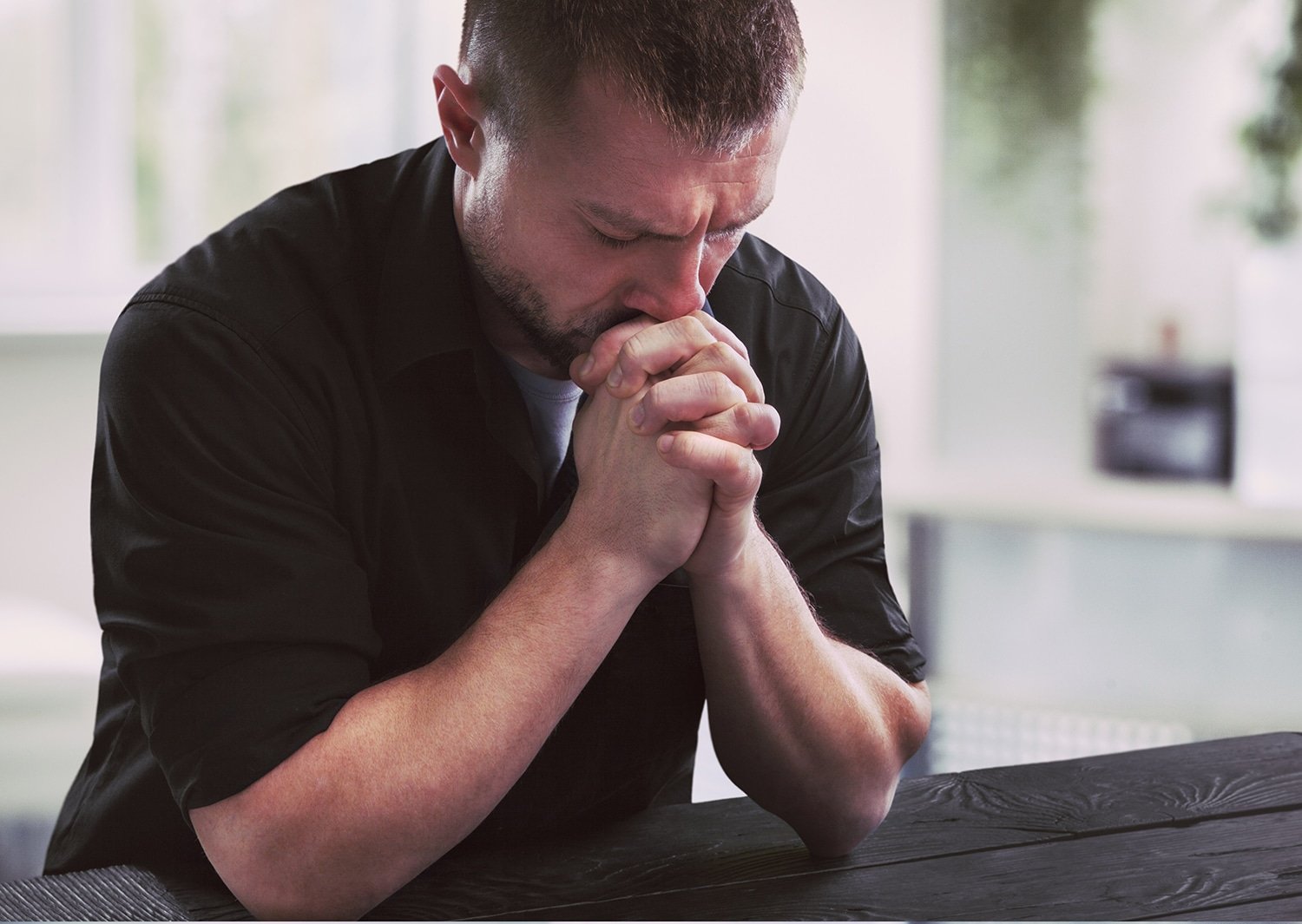
When people quietly ask “Can murderers be forgiven by God?” they often wrestle with fear, guilt, grief, or a heavy sense of justice. The question cuts deep because it touches the darkest human actions and places them before the possibility of divine mercy. You might expect a simple yes or no, yet the truth unfolds across centuries of theology, scripture, philosophy, and lived experience. This article brings everything together in a clear, conversational, and deeply researched way so you understand exactly how major religions, scholars, spiritual traditions, and real-life stories shape the answer.
Understanding the Core Question — Can Murderers Be Forgiven by God?
The question is not only theological. It’s emotional. People ask it after tragedies, during prison ministry sessions, or in moments of private remorse. You see this question emerge when someone wants to understand whether a sin so destructive can be repaired in the eyes of the Creator.
You may wonder:
- Does God’s mercy include people who commit the worst crimes?
- Are some sins too big to wash away?
- Does forgiveness cancel earthly consequences?
These questions lead you into a broader exploration of divine forgiveness, moral accountability, repentance, and the sacredness of human life.
What Forgiveness Means in Religious Teachings
The Definition of Divine Forgiveness
Divine forgiveness describes a moment when God wipes away spiritual debt after sincere repentance. Most religious traditions teach that forgiveness restores the broken relationship between the person and God. It does not erase earthly punishment, nor does it guarantee social acceptance. Instead, it focuses on the soul’s transformation, a cleansing of intention, and a shift toward moral living.
Is Any Sin Unforgivable?
Some religions teach that nearly all sins are forgivable except explicit rejection of God’s mercy. Murder is often described as an “extremely grave sin,” yet almost every major tradition leaves a path however narrow for redemption.
Table: How Major Religions Classify Murder
| Religion | Severity of Murder | Is Forgiveness Possible? | Conditions |
| Christianity | Very grave sin | Yes | Repentance, transformation |
| Islam | Major sin (Kabira) | Yes | Sincere tawbah, restitution |
| Judaism | Gravest violation | Possible | Teshuva, asking forgiveness |
| Hinduism | Heavy karmic burden | Yes | Atonement, spiritual discipline |
| Buddhism | Violent karma | Yes | Inner transformation |
Can Murderers Be Forgiven by God in Christianity?
Biblical Evidence of Forgiveness
Christianity repeatedly states that no one is beyond God’s grace, including murderers who sincerely repent. The Bible even tells stories of men who committed murder yet received God’s mercy.
Examples:
- Paul (Saul) persecuted and approved the killing of early Christians but later became a major apostle.
- King David arranged the death of Uriah, yet sought God’s forgiveness and rebuilt his faith.
Powerful verse:
“Even though your sins are like scarlet, they will be as white as snow. ” – Isaiah 1:18
This verse often helps readers accept that divine mercy can reach even the darkest corners of human behavior.
Conditions for God’s Forgiveness in Christianity
Christian teachings highlight:
- Genuine repentance
- Confession
- A desire to change one’s life
- Faith in God’s mercy
Without these, forgiveness becomes empty.
Christian Denominational Views
- Catholicism: Confession + penance + deep contrition.
- Protestantism: Forgiveness through faith and transformation.
- Orthodox Christianity: Healing of the soul through repentance and spiritual therapy.
Can Murderers Be Forgiven by God in Islam?
Islamic Understanding of Sin and Forgiveness
Islam acknowledges murder as one of the gravest sins. Still, the Qur’an repeatedly describes Allah as “Al-Ghafoor” (The Most Forgiving) and “Ar-Rahman” (The Most Merciful).
Quranic Verses About Repentance
A powerful verse is:
“With the exception of those who repent, believe, and do good works. For them, Allah will substitute their bad actions with good. ” (25:70)
This verse directly addresses individuals who commit massive sins including murder yet seek sincere repentance.
Conditions for Forgiveness in Islam
To be forgiven, a murderer must:
- Repent with sincere tawbah
- Return rights to the victim’s family if possible
- Commit to never repeat the sin
- Transform their actions and character
Can Murderers Be Forgiven by God in Judaism?
Jewish Teachings About Teshuva
Judaism uses the concept of Teshuva, which means “return.” It describes a spiritual return to God through remorse, confession, and change.
Murder as a Unique Violation
Human life is sacred in Judaism. Murder violates the essence of God’s creation, so forgiveness is far more complex.
Path to Forgiveness
For a murderer, Teshuva requires:
- Deep remorse
- Changing behavior
- Attempting to make amends
- Seeking forgiveness from the victim’s family
Judaism never removes accountability but allows spiritual repair.
Perspectives From Other World Religions
Hinduism’s View
Murder creates heavy karmic consequences, yet Hinduism teaches that transformation, prayer, penance, and a righteous lifestyle can soften karmic effects.
Buddhism’s Approach
Buddhism emphasizes:
- Mindfulness
- Transformation
- Compassion
A murderer can seek inner awakening through meditation, service, and remorse.
Indigenous and Eastern Philosophies
Many focus on:
- Restoring community harmony
- Making amends
- Ritual purification
Moral vs Spiritual Forgiveness — Understanding the Difference
Divine Forgiveness
Divine forgiveness deals with the soul. Only God grants it.
Legal Consequences
Even if God forgives a murderer, earthly justice still applies. Most religions encourage accountability because justice protects society.
Psychological Forgiveness
This describes someone’s internal journey. Many people suffer crushing guilt, so inner healing becomes part of the forgiveness process.
Case Studies of Murderers Seeking God’s Forgiveness
Historical Examples of Redemption
History records surprising transformations:
- Criminals who became monks
- Violent men who founded charities
- Former gang members who dedicated their lives to peace
Modern Day Testimonies
Prison ministries often share stories of inmates who experienced deep change.
A chaplain once said:
“I’ve seen hearts soften behind bars more than in quiet cities.”
Evidence of Transformation
Indicators include:
- Volunteering inside prison
- Writing apologies to victims’ families
- Studying scripture
- Mentoring younger inmates
Does God Forgive Murderers Who Never Repent?
Different Theological Views
Some traditions teach that forgiveness requires repentance, while others highlight God’s mercy as limitless.
Ethical Debates
You encounter difficult questions:
- If someone dies before repenting, can God still forgive them?
- Does intention matter?
- What if they regretted the act silently?
These questions remain debated across religions.
Why Understanding This Question Matters
This topic influences:
- Criminal justice reform
- Rehabilitation efforts
- How society treats offenders
- How victims’ families heal
Impact on Victims’ Families
Forgiveness doesn’t erase pain. But some families find emotional relief through spiritual principles of forgiveness, while others never choose forgiveness and both responses are valid.
Can Murderers Be Forgiven by God?
Yes, most religions teach that murderers can be forgiven by God under strict conditions such as sincere repentance, transformation, and restitution when possible. Divine forgiveness never removes legal consequences, nor does it ignore the suffering caused.
Yet every major belief system highlights one truth:
Redemption is possible for any soul willing to seek it, change deeply, and walk a new path.
Frequently Asked Questions
Does God forgive accidental killing?
Yes, almost all religions treat accidental killing differently from murder.
Can a murderer go to heaven?
If they repent sincerely, most theological traditions say yes.
Does God forgive murder even if the law punishes the person?
Yes. Divine forgiveness and earthly justice operate separately.
Is complete redemption possible?
Spiritually, yes. Socially, it depends on the situation, the community, and the victim’s family.