
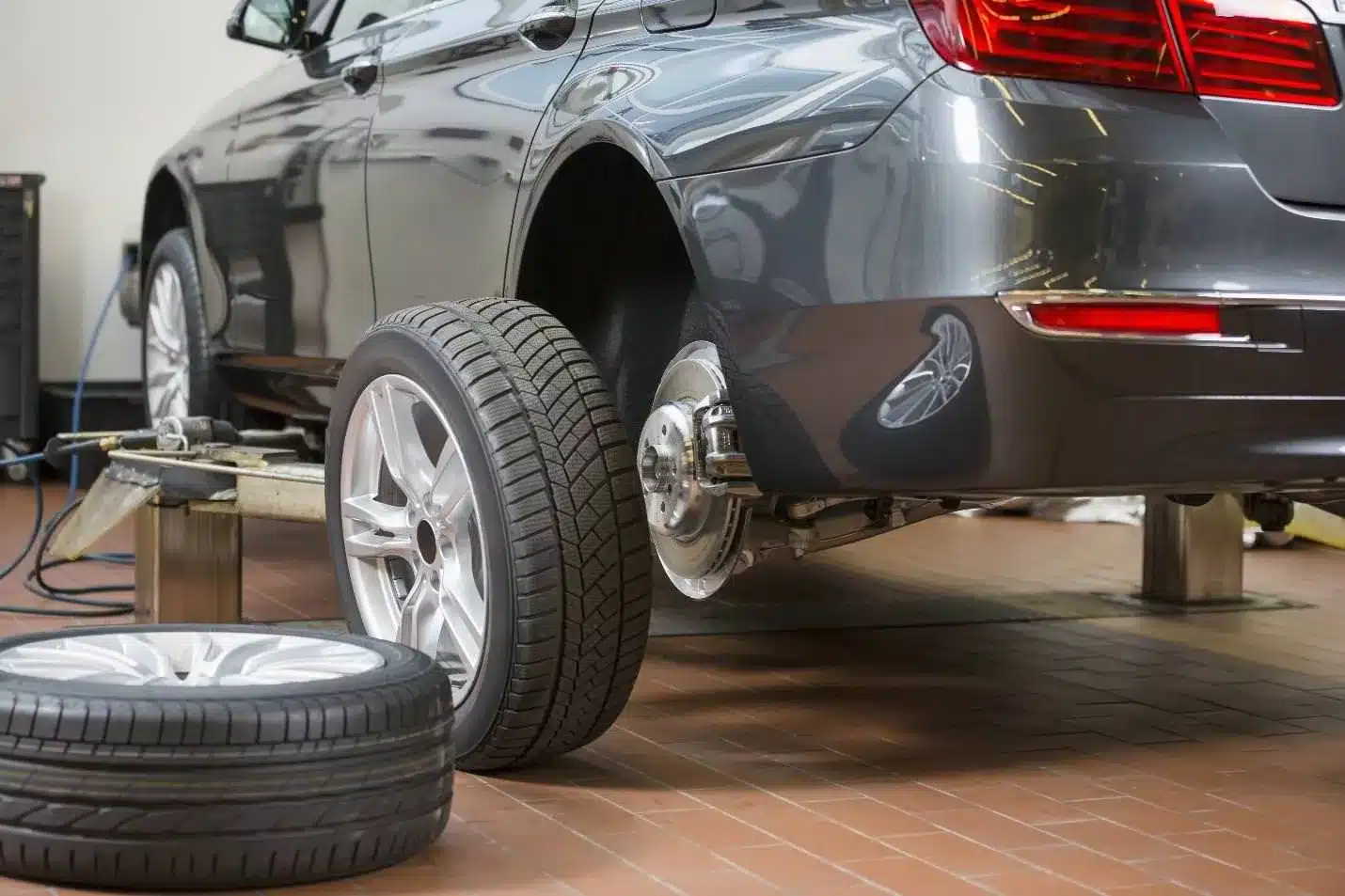
If you’ve ever been driving and noticed your car pulling to the right, it can feel alarming and unsafe. A vehicle that drifts or veers to one side can compromise control, wear tires unevenly, and create long-term mechanical issues. Understanding the causes, diagnosis methods, and solutions is essential for every driver. In this guide, we’ll break down why cars pull to the right, how to fix the problem, and what preventive measures you can take to keep your vehicle safe and stable.
Understanding Why Your Car Pulls to the Right
A car that pulls to the right doesn’t always mean something is seriously wrong, but it is a warning sign. When a vehicle drifts right on straight roads without steering input, it usually points to mechanical or tire issues. Drivers often notice pulling under specific conditions:
- While braking
- During acceleration
- On flat or slightly inclined roads
A car pulling to the right affects steering and control, increasing the risk of accidents if left unchecked. Common terms related to this problem include vehicle veering to the right, steering drift, and car drifts right when braking. Recognizing the difference between external factors like road slope and internal mechanical issues helps you identify the root cause.
Common Causes of a Vehicle Pulling to the Right
Cars rarely pull to the right for just one reason. It’s usually a combination of tire, alignment, brake, or suspension issues. Let’s explore each cause in detail.
Tire-Related Causes
Tires are the most common source of pulling. Uneven tire pressure or worn-out treads can create imbalance, forcing your car to drift.
Key points:
- Unequal tire pressure: Even a few PSI difference between tires can cause pulling.
- Worn tread: Tires with uneven wear reduce grip and stability.
- Tire misalignment: Misaligned tires can make steering uneven.
| Tire Condition | Possible Effect | Pulling Risk |
| Low pressure right tire | Car drifts right | High |
| Uneven tread | Reduced grip | Medium |
| Worn-out tires | Unstable handling | High |
Wheel Alignment Issues
Wheel alignment ensures all wheels point in the correct direction. Misalignment causes the car to pull to one side constantly.
Signs of alignment issues:
- Car drifts right or left on a straight road
- Steering wheel off-center
- Uneven tire wear patterns
Realigning wheels is usually a quick professional fix, and it prevents tires from wearing out prematurely.
Brake System Problems
Brake problems can also lead to a car pulling to the right, especially during braking.
- Sticking calipers: A caliper that doesn’t release properly pulls the vehicle to that side.
- Uneven brake wear: Worn pads or rotors on one side can cause drifting.
Ignoring brake issues is dangerous. A car that pulls while braking may indicate serious safety risks.
Suspension and Steering Problems
The suspension system keeps the car stable and smooth. Worn ball joints, tie rods, or control arms can affect steering and cause the car to pull.
- Loose or damaged tie rods affect wheel direction.
- Worn control arms cause uneven tire contact.
- Aging suspension components reduce stability.
Fixing these parts resolves pulling issues and improves overall handling.
Road Conditions and External Factors
Sometimes, a car pulls to the right even when everything is mechanically sound.
- Road camber: Roads are slightly sloped for drainage, which naturally pulls cars to the side.
- Wind and uneven surfaces: Strong crosswinds or potholes can make your car drift temporarily.
Distinguishing between mechanical issues and external factors is crucial for proper diagnosis.
How to Diagnose a Car Pulling to the Right
Knowing the cause helps you choose the right solution. Here’s how to diagnose your car.
Step-by-Step Self-Check
- Check tire pressure on all tires and inflate to manufacturer specifications.
- Inspect tire tread for uneven wear.
- Drive on a straight road and observe if the steering wheel is centered.
- Perform a gentle brake test to see if the car drifts under braking.
Professional Diagnosis Tools
For accurate results, a mechanic uses:
- Wheel alignment machines to measure angles
- Suspension inspection equipment to check control arms, tie rods, and shocks
- Brake testing devices to detect caliper or rotor issues
Professional diagnosis is highly recommended if self-checks don’t reveal the cause.
How to Fix a Car Pulling to the Right
Once the issue is identified, there are specific fixes for each cause.
Tire Solutions
- Correct uneven tire pressure
- Rotate tires regularly
- Replace worn or damaged tires
- Ensure proper balancing
Wheel Alignment Fixes
- Professional realignment restores stability
- Recommended every 12–15k miles or after replacing suspension parts
- DIY alignment is risky without proper tools
Brake Repairs
- Replace sticking calipers, worn pads, or warped rotors
- Flush brake fluid if contaminated
- Test braking after repairs to ensure safe handling
Suspension and Steering Repairs
- Replace worn control arms, ball joints, or tie rods
- Inspect steering linkage for play or damage
- Fixing suspension issues improves pulling and overall handling
Preventive Measures to Avoid Pulling Issues
Preventive maintenance reduces risks and prolongs vehicle life.
- Check tire pressure weekly
- Rotate tires every 6,000–8,000 miles
- Perform wheel alignment checks once a year
- Inspect suspension and steering during service
- Replace worn brake components promptly
LSI keywords: prevent car pulling, maintaining vehicle stability, avoid drifting while driving
Safety Tips When Driving a Car That Pulls
If your car drifts to the right while driving, follow these tips:
- Keep both hands on the wheel at all times
- Avoid sudden braking or sharp turns
- Reduce speed until the issue is resolved
- Stop driving and consult a mechanic if pulling persists
Ignoring pulling increases accident risk and causes uneven wear on tires and suspension.
FAQs About Car Pulling to the Right
Q1: Why does my car pull to the right when braking?
- Likely a sticking caliper or uneven brake pads.
Q2: Can uneven tires cause pulling to the right?
- Yes, low pressure or worn tread can make your car drift.
Q3: Is car pulling to the right dangerous?
- Yes, it reduces control and can lead to accidents.
Q4: How much does it cost to fix car pulling issues?
- Tire fixes: $50–$200
- Wheel alignment: $75–$150
- Brake repairs: $100–$400
- Suspension repairs: $200–$800+ depending on parts
Q5: Can misalignment worsen over time?
- Absolutely. Ignoring it causes uneven tire wear and steering problems.
Conclusion
A car pulling to the right is a warning sign that should not be ignored. Common causes include tire issues, misalignment, brake problems, and suspension wear. Proper diagnosis, timely repairs, and regular preventive maintenance keep your vehicle safe, stable, and comfortable to drive. By checking tires, alignment, brakes, and suspension, you can fix pulling issues and enjoy smooth, controlled driving.