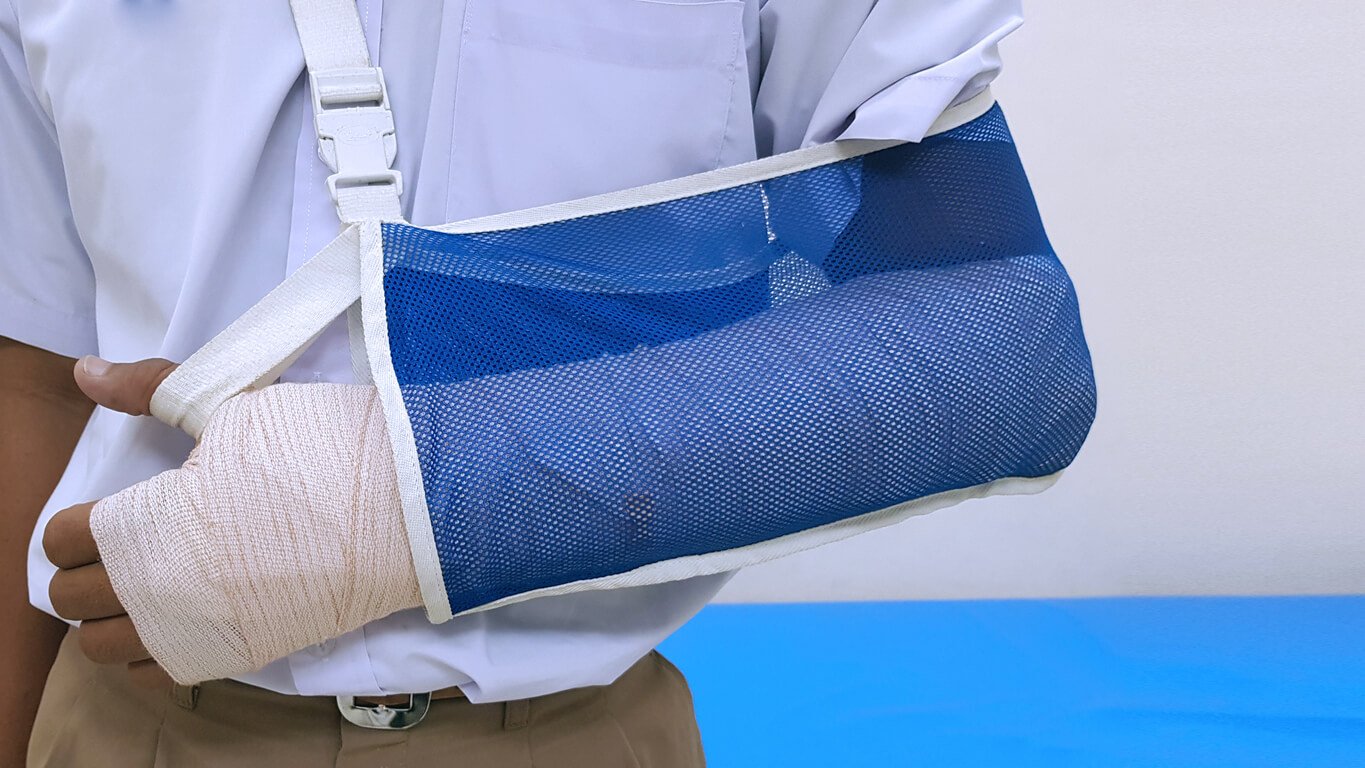
If you’ve recently had shoulder replacement surgery, or are preparing for one, understanding the permanent restrictions after shoulder replacement is essential. While modern medical technology allows you to regain comfort and movement, it’s important to know your limits to ensure long-term success. Many patients wonder what they can or cannot do after surgery this guide answers that question with practical advice, expert-backed facts, and simple explanations.
Understanding Shoulder Replacement Surgery
A shoulder replacement, also known as shoulder arthroplasty, replaces damaged parts of your shoulder joint with artificial components (prosthetics). The goal is to relieve pain, restore motion, and improve quality of life especially for people suffering from severe arthritis, rotator cuff tears, or fractures.
There are three common types of shoulder replacement surgeries:
| Type of Surgery | Description | Who It’s For |
| Total Shoulder Replacement | The ball (humeral head) and socket (glenoid) are both replaced. | Arthritis or joint damage. |
| Partial Shoulder Replacement | Only replaces the ball of the joint. | Fractures or partial damage. |
| Reverse Shoulder Replacement | Switches the ball and socket positions. | Severe rotator cuff tears or complex injuries. |
Each procedure offers pain relief and better function, but also requires lifelong precautions to protect your new joint.
Why Permanent Restrictions Are Necessary
After surgery, your shoulder joint works differently. Artificial joints can’t perfectly mimic natural bone and muscle coordination. They rely on metal and plastic components, which may loosen or wear over time if exposed to too much stress.
Biomechanics of a Replaced Shoulder
In a natural shoulder, muscles, tendons, and bones distribute force efficiently. In contrast, an artificial joint depends heavily on surrounding tissues for support. This means excessive lifting, twisting, or impact can cause damage.
Longevity and Durability
On average, a shoulder implant lasts 15 to 20 years but that lifespan depends on how well you follow your permanent restrictions. Ignoring these can lead to pain, loosening, or the need for revision surgery.
| Shoulder Replacement Type | Average Lifespan | Main Limitation |
| Total Shoulder Replacement | 15–20 years | Avoid heavy lifting |
| Reverse Shoulder Replacement | 10–15 years | Limit overhead activity |
| Partial Shoulder Replacement | 20+ years | Moderate joint use |
Permanent Restrictions After Shoulder Replacement
1. Lifting and Carrying Restrictions
One of the most important permanent restrictions after shoulder replacement is avoiding heavy lifting. Typically, doctors recommend not lifting more than 10–15 pounds with your replaced arm.
Why it matters:
The pressure from lifting heavy items can stress the implant and surrounding tissues, leading to early wear. Even everyday actions like carrying groceries or lifting your grandchild should be done cautiously.
Examples of restricted activities:
- Carrying heavy luggage or grocery bags.
- Lifting weights at the gym (especially overhead).
- Moving furniture or pushing large objects.
Tip: Instead of lifting heavy loads, break them into smaller, manageable parts.
2. Overhead Movements
Avoid repetitive overhead activities like painting, hanging curtains, or reaching for high shelves. These motions put your shoulder in a vulnerable position and can cause impingement or dislocation.
Safe alternatives:
- Store items at waist or chest height.
- Use a step stool instead of overreaching.
3. High-Impact Sports and Activities
Some physical activities are permanently off-limits. Sports that involve sudden jerks, contact, or high resistance can damage your implant.
Activities to avoid:
- Tennis, basketball, or baseball (throwing motions).
- Contact sports like football or boxing.
- Heavy gym exercises such as bench presses or push-ups.
Instead, focus on low-impact exercises that protect your shoulder and keep you active:
- Swimming (gentle strokes).
- Stationary cycling.
- Walking or elliptical training.
- Light resistance band workouts.
4. Pushing and Pulling Movements
Movements that require strong pushing or pulling like shoveling snow, mowing lawns, or using resistance equipment can harm your shoulder joint. These actions strain both the muscles and implant connections.
Alternative strategies:
- Use ergonomic or lightweight tools.
- Get help with heavy household tasks.
5. Sudden Jerking or Twisting
Quick, uncontrolled movements can cause dislocation or injury. Even something as simple as catching yourself during a fall can be risky.
Example case:
A 68-year-old man who had shoulder replacement tried to catch a heavy falling box. The sudden motion dislocated his shoulder, requiring revision surgery.
Lesson: Move mindfully. Avoid any abrupt actions or twisting motions that put stress on your shoulder.
Long-Term Care Tips for Shoulder Replacement Patients
Following surgery, protecting your implant isn’t just about restrictions it’s also about smart maintenance and lifestyle choices.
1. Strength and Flexibility
After your recovery phase, your doctor or physiotherapist will guide you through exercises to maintain mobility.
Focus on gentle stretches and light resistance to strengthen your shoulder without strain.
2. Posture and Ergonomics
Good posture supports joint alignment. Poor posture can increase stress on your new shoulder.
Tips for better posture:
- Keep your shoulders relaxed, not slouched.
- Adjust your work desk and chair height.
- Use supportive pillows when sleeping.
3. Regular Medical Follow-ups
Your surgeon will schedule follow-up visits to ensure the implant remains stable. Routine X-rays or checkups every 1–2 years help detect issues early.
Ignoring these visits might lead to unnoticed wear or complications.
4. Lifestyle Adjustments
Even with restrictions, you can still live a fulfilling, active life. You just need to make small changes to daily routines.
| Unsafe Movement | Safe Alternative |
| Lifting heavy bags overhead | Carrying lighter loads close to your body |
| Throwing a ball forcefully | Underhand toss or light catch |
| Push-ups | Wall-supported push exercises |
| Shoveling snow | Using ergonomic tools or hiring help |
Emotional and Mental Adjustment After Shoulder Surgery
Accepting permanent restrictions after shoulder replacement can be emotionally challenging. You might feel frustrated when you can’t do certain activities anymore but with the right mindset, you can adapt successfully.
Ways to cope:
- Concentrate on your strengths rather than your losses.
- Join physical therapy or support groups to connect with others.
- Set realistic goals for recovery and celebrate progress.
“Healing is more than simply regaining bodily function; it’s about acquiring new methods of movement and life. ”
Frequently Asked Questions About Shoulder Replacement Restrictions
Q1. Can I lift weights after shoulder replacement?
You can perform very light weightlifting under supervision, but heavy lifting or overhead pressing is not recommended.
Q2. Will these restrictions last forever?
Yes, most are permanent to protect the implant and prevent complications.
Q3. Is swimming safe after shoulder replacement?
Yes, gentle swimming (after full recovery) is safe and beneficial for flexibility.
Q4. Can I play golf or tennis again?
You may be able to play golf carefully, but high-speed swings and repetitive overhead motions like tennis are risky.
Q5. How can I keep my shoulder strong without damaging the implant?
Regular physical therapy, light resistance training, and consistent stretching are ideal for maintaining strength safely.
Final Thoughts on Permanent Restrictions After Shoulder Replacement
Your new shoulder is a second chance at a pain-free life but it needs care. Following the permanent restrictions after shoulder replacement protects your implant, reduces complications, and ensures long-term success.
Remember, these limitations aren’t punishments they’re protections. With the right balance of movement and caution, you can stay active, independent, and comfortable for decades.
“Your shoulder replacement gives you a new start protect it, and it will serve you for years to come.”