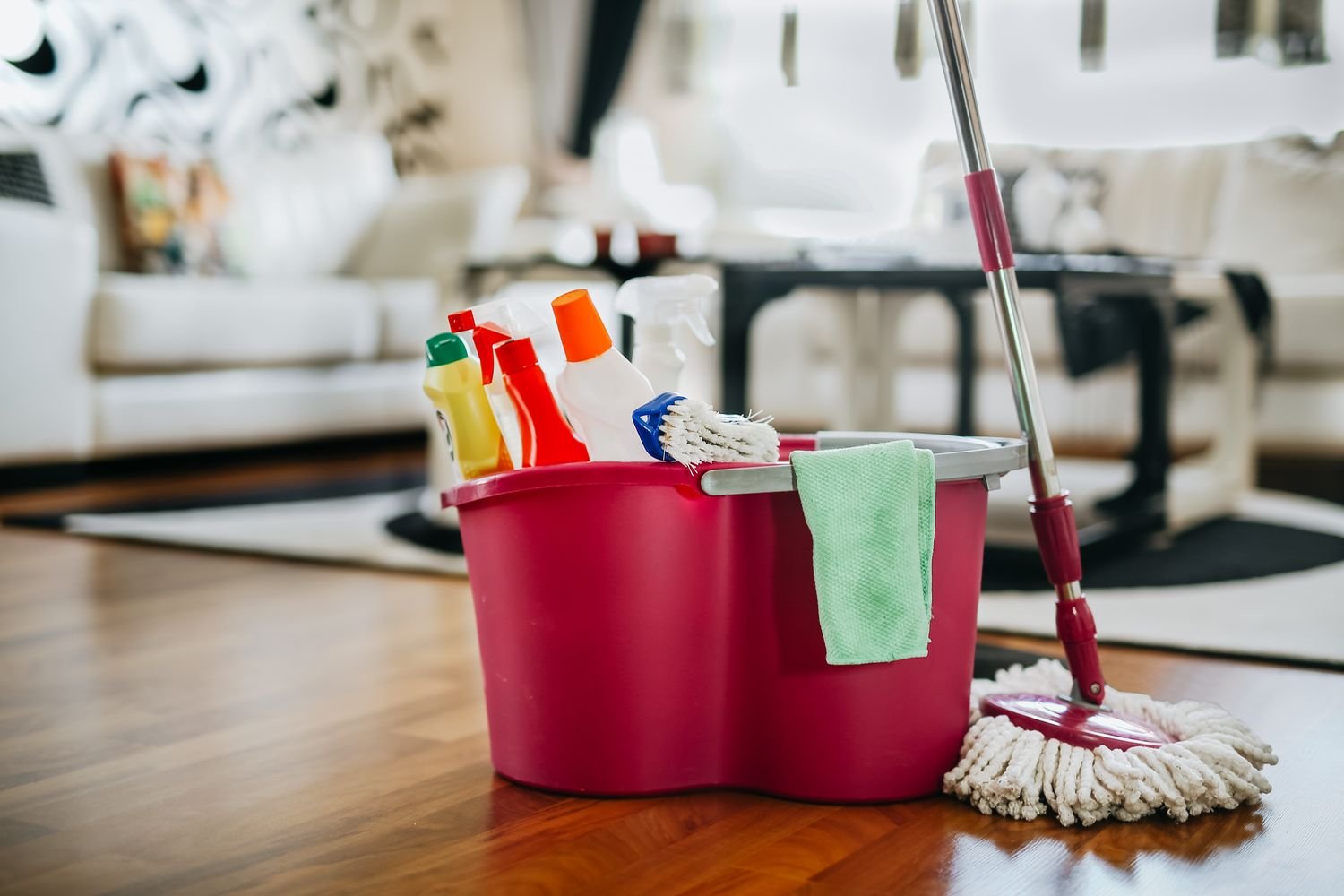
The tone of the entire house is established by a spotless floor. It makes a room feel welcoming, hygienic, and well-kept. Yet, keeping floors spotless isn’t always easy. Daily foot traffic, spills, and dust make the task challenging. That’s why homeowners and cleaners around the world rely on mop soap. It’s a specialized cleaning solution that removes grime, protects flooring, and leaves surfaces looking refreshed.
In this detailed guide, we’ll explore everything about mop soap from its history and benefits to proper usage, DIY alternatives, and eco-friendly options. By the end, you’ll know exactly how to choose and use it for every type of flooring.
What Is Mop Soap?
At its simplest, it is a cleaning product designed to mix with water and be applied with a mop. Unlike multipurpose detergents, it’s formulated specifically for floors. It cleans effectively without leaving behind sticky residues or dulling the finish.
There are different types of mop soap for different needs:
- Wood-safe blends that protect natural finishes.
- Tile and grout cleaners that penetrate porous surfaces.
- Multi-surface formulas for homes with varied flooring.
- Industrial-strength options for commercial spaces.
The key advantage is balance. it cleans deeply but also preserves the natural look of the floor.
A Brief History of Mop Soap
Floor-cleaning solutions have been around for centuries. In ancient times, people used mixtures of ash and water to scrub surfaces. Later, animal fat and lye were combined to create the first true soaps.
By the 1800s, soap production had become industrialized. Specialized formulations appeared for different tasks, including laundry, personal care, and house cleaning.it became popular during this era, especially in large households with hardwood and stone floors.
Today, with advanced chemistry, modern mop soap comes in liquid, powder, or eco-friendly natural forms, tailored to different surfaces and preferences.
Why Choose Mop Soap Over Other Cleaners?
You might wonder why not just use dish soap or laundry detergent? The difference lies in formulation. Regular detergents are made for grease, fabrics, or dishes. They often create too much foam or leave residue when used on large areas like floors.
Mop soap, on the other hand, is specifically designed for:
- Efficient dirt removal.
- Minimal streaking.
- Floor safety and protection.
Here’s a quick comparison table:
| Cleaner Type | Advantages | Drawbacks |
| Dish Soap | Cuts grease well | Leaves residue, not floor-friendly |
| Laundry Detergent | Strong stain removal | Harsh, foamy, damages finishes |
| Mop Soap | Balanced cleaning, floor-safe | Must dilute correctly |
| Vinegar Solution | Natural and affordable | Can dull stone and wood surfaces |
Benefits of Using Mop Soap
Choosing the right cleaner brings long-term benefits. Regular use of mop soap offers:
- Surface protection – Especially important for hardwood floors that need gentle care.
- Sanitization – Many formulas contain antibacterial agents that kill germs.
- Time-saving efficiency – Cuts through dirt quickly without repeated scrubbing.
- Residue-free finish – Prevents buildup that attracts even more dust.
- Improved home appearance – Clean, shiny floors brighten an entire room.
A well-maintained floor doesn’t just look good. It lasts longer, saving you from costly repairs or refinishing.
Types of Soap
Not all mop soaps are the same. Here are the most common categories:
- Liquid Concentrates – Easy to use, just dilute in water.
- Powder Formulas – Often stronger, good for heavy-duty cleaning.
- Eco-Friendly Soaps – Made from biodegradable oils and natural extracts.
- Scented Versions – Leave a refreshing fragrance after cleaning.
- Surface-Specific Soaps – Tailored for wood, tile, vinyl, or marble.
Knowing the difference ensures you don’t damage delicate surfaces while cleaning.
How to Use Mop Soap Correctly
Even the best cleaner won’t work if used incorrectly. To get the most from mop soap, follow these steps:
- Fill a bucket with warm water.
- Add the recommended amount of mop soap (usually a capful or two).
- Stir well for even dilution.
- Soak the mop, wring out excess water.
- Begin mopping in the room’s farthest corner.
- Work in small sections to avoid streaks.
- Let the floor air dry naturally.
Tip: Always read the instructions on the product label before use. Some concentrated formulas need precise measurements.
DIY Alternatives to Mop Soap
If you prefer natural cleaning or run out of your usual product, homemade alternatives work well. Here are a few recipes:
- Vinegar Solution – Mix ½ cup vinegar with a gallon of warm water. Great for tiles.
- Castile Soap Cleaner – Two tablespoons of castile soap in a bucket of water works as a gentle natural option.
- Baking Soda Scrub – Sprinkle on tough stains and mop with warm water.
- Olive Oil & Lemon – Perfect for conditioning and polishing wooden floors.
These are effective substitutes, though they may not match the cleaning power of a professional mop soap.
Safety Tips When Using Mop Soap
Even mild cleaners need careful handling. Keep these safety measures in mind:
- Don’t mix mop soap with bleach or ammonia (toxic fumes).
- Store away from children and pets.
- Wear gloves if you have sensitive skin.
- Test on a hidden spot before cleaning an entire floor.
Eco-Friendly and Sustainable Options
Modern consumers care about sustainability. Luckily, many companies now make eco-friendly mop soaps. These products:
- Use plant-based ingredients.
- Come in recyclable packaging.
- Offer refillable bottles to reduce plastic waste.
- Avoid harsh chemicals that harm waterways.
By choosing these, you protect your home and the environment at the same time.
Case Study: Real Experience with Mop Soap
Sarah, a mother of three, struggled with streaky hardwood floors. She used dish soap at first, which left dull marks. After switching to a specialized mop soap for hardwood, the change was clear. The floors became shinier, easier to clean, and stayed fresh longer.
This case highlights how the right product can reduce effort while improving results.
Common Mistakes to Avoid
Many people make errors when using it. Here are the most frequent ones:
- Adding too much product, leading to sticky floors.
- Using it on surfaces it wasn’t designed for.
- Skipping regular mop rinsing, which spreads dirt.
- Failing to wring out the mop properly, leaving excess water.
Avoiding these mistakes ensures efficient cleaning and protects your flooring investment.
Mop Soap vs. Natural Alternatives
While natural cleaners like vinegar and baking soda are great, they aren’t always enough for heavy cleaning.it is specially balanced for deeper cleaning and surface safety. The ideal solution is to combine both use natural cleaners for quick daily touch-ups and mop soap for weekly or deep cleaning.
Choosing the Right Mop Soap
Not sure which product to buy? Consider these factors:
- Floor type – Hardwood requires gentle, pH-neutral formulas.
- Sensitivity – Avoid strong chemicals if you have allergies.
- Eco-preference – Opt for biodegradable formulas if sustainability matters.
- Fragrance – Choose unscented if you’re sensitive to smells.
Final Thoughts
Clean floors do more than improve appearance they also contribute to hygiene, comfort, and home value. Whether you choose a commercial cleaner or a DIY mix, mop soap remains one of the most reliable ways to keep floors spotless and long-lasting.
By understanding how it works, selecting the right formula, and applying it properly, you’ll achieve professional-quality results without spending extra time or effort.