Yoga is supposed to bring calm, mindfulness, and harmony. Yet, many people quietly admit, “I don’t enjoy classes at yoga studios.” If that’s how you feel, you’re not alone. Despite yoga’s global popularity, a surprising number of practitioners find traditional studio environments stressful, intimidating, or simply unfulfilling. This guide explores the real reasons behind that feeling and how you can still enjoy yoga just in your own way.
When Yoga Stops Feeling Peaceful
Yoga studios often market themselves as sanctuaries for self-discovery. However, not everyone feels that serenity once they roll out a mat surrounded by strangers. If you’ve ever walked into a packed class only to feel tension instead of peace, you’ve already sensed the mismatch.
The truth is, not enjoying yoga studio classes doesn’t mean you dislike yoga. It means your personal connection to the practice might need a different setting. Let’s dive deeper into why that happens and how you can rediscover joy in your yoga journey.
Common Reasons People Don’t Enjoy Yoga Studio Classes
1. The Group Pressure and Comparison Trap
Yoga is personal, but studios often make it feel competitive. When you’re surrounded by flexible yogis nailing advanced poses, it’s easy to feel inadequate. Many people fall into what’s known as the comparison trap, losing focus on their own progress.
Instead of mindfulness, studio sessions can trigger performance anxiety or self-criticism. If you’re an introvert or someone who values privacy, group settings may simply drain your energy instead of restoring it.
2. Overcrowded or Distracting Environments
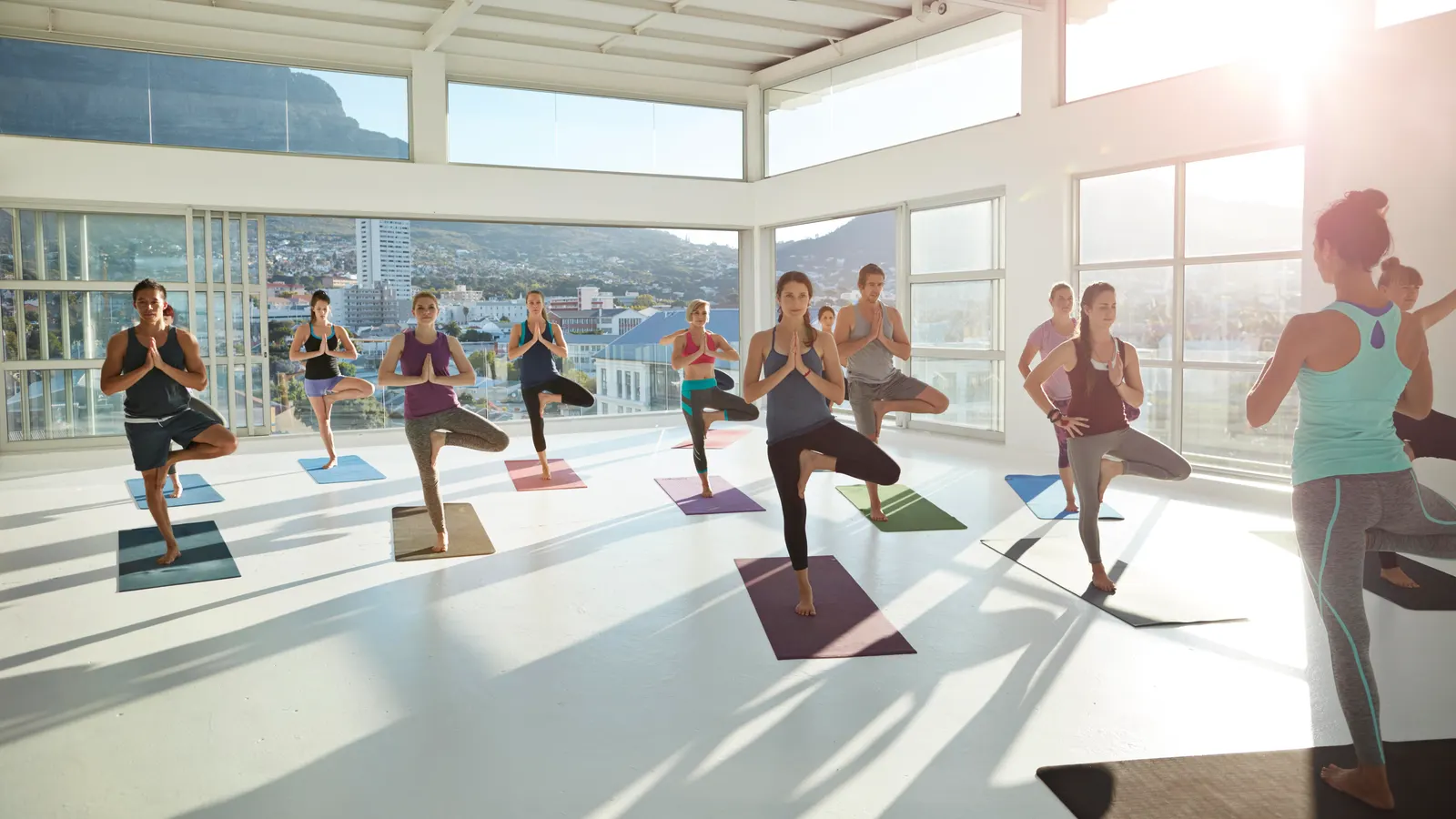
A yoga studio packed with twenty or thirty people rarely feels calming. Between squeaky mats, loud breathing, and the constant shuffle of movement, distractions are everywhere. Some studios also play loud background music, which can clash with the quiet concentration yoga requires.
For many, the constant noise and lack of personal space turn what should be a spiritual session into sensory overload.
3. Mismatch Between Teaching Style and Learning Preference
Every yoga teacher has a unique approach. Some focus on precision and form, others emphasize spirituality or breathwork. If a teacher’s style doesn’t match your learning preference, frustration replaces flow.
For example, beginners may feel lost in advanced classes with minimal instruction. Meanwhile, experienced yogis might feel bored in slow-paced sessions. This mismatch often leads to disengagement and a lack of motivation to continue.
4. Cost and Accessibility Issues
Let’s be honest studio memberships can be expensive. In cities like New York or Los Angeles, a single yoga class can cost between $20–$35. Add in membership fees, yoga mats, special clothing, and even parking, and the cost becomes a burden.
When financial stress enters the picture, yoga’s calming benefits are overshadowed by practicality concerns.
5. Lack of Emotional Connection or Authenticity
In many modern studios, yoga feels commercialized. Instead of spiritual grounding, some spaces emphasize trends like heated rooms, designer mats, or “Instagram-worthy” poses. This commercialization strips yoga of its authentic roots, leaving practitioners disconnected.
True yoga is about unity, inner peace, and self-awareness, not competition or aesthetics.
The Psychology Behind Not Enjoying Studio Yoga
Feeling uncomfortable in yoga studios often stems from psychological factors rather than physical ones. Here are a few possible reasons:
- Fear of Judgment: You may worry others are evaluating your ability or body.
- Performance Anxiety: The pressure to “keep up” leads to stress, not relaxation.
- Need for Solitude: Introverts often thrive in quieter, personal environments.
- Burnout: Overexposure to structured classes can turn passion into obligation.
Understanding these triggers helps you make peace with your preferences. Yoga is not a one-size-fits-all practice it adapts to you, not the other way around.
What to Do If You Don’t Enjoy Yoga Studio Classes
Not liking yoga studios doesn’t mean you should quit yoga altogether. It simply means you might thrive better in a different setting. Here’s how to realign your practice with your comfort zone.
1. Practice Yoga at Home
Home yoga offers complete freedom no judgment, no competition, and no rush. You can choose the music, lighting, and pace that calm your mind best.
Here are some free or affordable home yoga resources:
- YouTube Channels: Yoga with Adriene, Boho Beautiful, Fightmaster Yoga
- Apps: Daily Yoga, Down Dog, Glo
- Platforms: Gaia, Alo Moves
Below is a quick comparison of home yoga vs. studio classes:
| Feature | Studio Classes | Home Practice |
| Cost | High (membership or per class) | Free or minimal |
| Flexibility | Fixed schedule | Anytime you want |
| Environment | Shared with others | Private and personal |
| Instruction | Guided by teacher | Self-guided or app-based |
| Atmosphere | Group energy | Calm, peaceful solitude |
If you crave control and calmness, home practice may be your ideal fit.
2. Try Private or Small Group Sessions
Private yoga lessons blend the best of both worlds personalized attention without the pressure of large groups. Your instructor can tailor poses, correct alignment, and design a practice suited to your body and goals.
Small group classes also offer a balanced environment enough community for motivation but intimate enough to maintain focus.
3. Explore Outdoor Yoga or Mindful Alternatives
Sometimes, the problem isn’t yoga itself it’s the four walls around it. Practicing outdoors, whether in a park, on a beach, or in your backyard, can reignite your connection to nature and self.
You can also explore alternatives that promote mindfulness:
- Tai Chi for slow, meditative movement
- Stretching sessions for relaxation
- Walking meditation for mindfulness on the move
How to Reconnect with Yoga’s True Meaning
At its core, yoga is not about flexibility it’s about awareness. The ancient practice was designed to align mind, body, and spirit, not to perfect poses or impress others.
Try returning to the roots of yoga:
- Practice breathing (Pranayama) and meditation regularly.
- Read traditional texts like The Yoga Sutras of Patanjali.
- Journal after sessions to reflect on your inner state.
As The Bhagavad Gita beautifully says,
“Yoga is the journey of the self, through the self, to the self.”
That journey doesn’t require a studio it only requires sincerity.
Real Experiences When People Realized Studio Yoga Wasn’t for Them
Case Study 1: Sarah’s Story
Sarah, a 35-year-old working mom, felt anxious during every studio session. The mirrors and crowded spaces left her feeling judged. After switching to online yoga, she said, “I finally stopped comparing myself. I can breathe and move freely now.”
Case Study 2: Daniel’s Discovery
Daniel, a beginner, felt overwhelmed by fast-paced classes. Once he started home sessions using “Yoga with Adriene,” his focus improved, and he found joy in small progress.
These stories prove that leaving the studio doesn’t mean leaving yoga it means reclaiming it.if anyone says,“I don’t enjoy classes at yoga studios.He is laying.
Final Thoughts You Can Still Love Yoga Without Loving Studios
If you’ve ever said, “I don’t enjoy classes at yoga studios,” it doesn’t make you less of a yogi. It makes you self-aware. Yoga is about inner transformation, not conformity.
Whether you flow in your living room, on your balcony, or under the open sky, what matters is how you connect with your body and breath. The peace you seek isn’t in a studio; it’s already within you.
So roll out your mat wherever your heart feels calm and let your yoga journey be truly yours.