Bringing home a kitten is one of life’s sweetest joys. Those tiny paws, curious eyes, and playful squeaks melt your heart instantly. But with that cuteness comes responsibility and yes, litter box duty! One of the most common questions new cat parents ask is, “How often do kittens poop?”
Understanding your kitten’s bathroom habits is more than just about cleaning up. It’s about keeping your little one healthy. The frequency, color, and consistency of a kitten’s poop reveal a lot about their digestion, diet, and overall wellbeing.
In this detailed guide, you’ll learn how often kittens poop by age, what normal poop looks like, what factors affect bowel movements, and how to fix common poop problems. Let’s get started.
Understanding Kitten Digestion and Poop Frequency
Before diving into frequency, it helps to know what’s going on inside your kitten’s tiny body. Kittens have very sensitive digestive systems, and their diet changes rapidly in the first few months.
In the beginning, kittens depend entirely on their mother’s milk. This milk is perfectly balanced packed with fat, protein, and moisture making it easy to digest. As kittens start weaning and transition to solid foods, their digestive system begins to adapt. This transition is when you’ll notice changes in how often they poop and how it looks.
A healthy kitten’s digestive system:
- Processes food quickly due to a fast metabolism.
- Produces small, frequent stools in the first few weeks.
- Stabilizes to a regular rhythm by about 6 months of age.
Just like human babies, each kitten has their own rhythm. Some poop more frequently, others less, depending on their diet, hydration, and health.
How Often Do Kittens Poop by Age
Let’s break it down by age so you’ll know exactly what to expect at each stage of your kitten’s growth.
| Kitten Age | Average Poop Frequency | Notes |
| 0–3 weeks | After every feeding (3–5 times daily) | Mother cat stimulates them to poop. |
| 4–8 weeks | 2–4 times per day | Transitioning to solid food; litter box training begins. |
| 2–6 months | 1–3 times daily | Regular rhythm develops; stool becomes firm. |
| 6 months and older | 1–2 times daily | Resembles adult cat bowel habits. |
Newborn Kittens (0–3 Weeks Old)
Newborn kittens can’t poop on their own. Their mother has to lick their belly and rear after every feeding to help stimulate digestion. If you’re bottle-feeding an orphaned kitten, you’ll need to replicate this by gently rubbing the kitten’s abdomen with a warm, damp cotton ball or cloth after every meal.
At this age, kittens usually poop three to five times a day. The stool should be soft, yellow-brown, and slightly pasty. If it’s watery or has a strong smell, it might indicate overfeeding or infection.
4–8 Week Old Kittens
As kittens start eating wet kitten food, their bowel movements change noticeably. Their stool becomes darker, more solid, and less frequent usually two to four times daily.
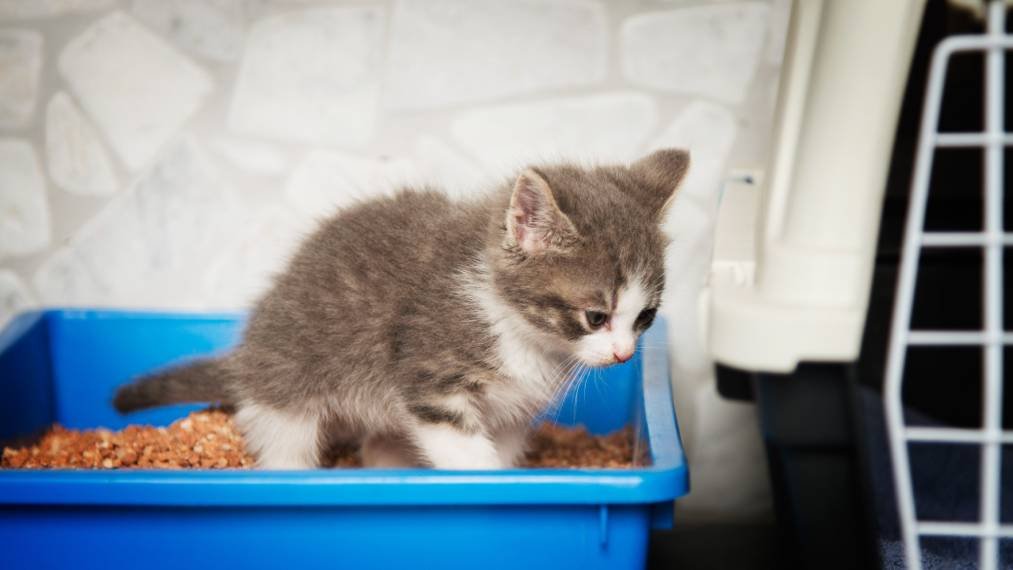
This is also when they begin using the litter box. To encourage good habits:
- Use a shallow, non-clumping litter.
- Keep the box clean and easily accessible.
- Gently place them in the box after meals to build routine.
Poop consistency may vary slightly during weaning, but it should never be too hard or runny.
2–6 Month Old Kittens
Between two and six months, kittens become more active, and their metabolism stabilizes. You’ll notice one or two bowel movements per day, depending on their diet.
By this time, your kitten’s stool should be firm, shaped, and easy to scoop. Any drastic change like skipping a day or having diarrhea might point to a dietary imbalance or dehydration.
Vet Tip: If your kitten suddenly stops pooping for more than 24 hours, consult your vet. It might be constipation caused by diet change or dehydration.
6 Months and Older
At six months, kittens are practically small adults. Their digestive system is mature, and their bathroom habits should be predictable typically once or twice a day.
If they poop less frequently, ensure they’re drinking enough water. If they go more often, check their diet for too much fiber or rich wet food.
Factors That Affect How Often Kittens Poop
Several factors can influence your kitten’s poop frequency. Knowing these helps you adjust their care and diet for optimal health.
1. Diet Type
Diet is the main driver of digestion.
- Wet food: Adds hydration, making stool softer and promoting regular bowel movements.
- Dry food: Denser and less hydrating, which may result in firmer stools.
- Mixed feeding: Often balances moisture and nutrition well.
Always transition slowly between foods mix the new and old food for 5–7 days to avoid stomach upset.
2. Water Intake
Hydration keeps digestion running smoothly. Cats in general have low thirst drives, so make water more appealing by:
- Using cat fountains to encourage drinking.
- Offering both wet food and fresh water.
- Adding small amounts of water or broth to food.
A dehydrated kitten will have hard stools or strain while pooping.
3. Activity and Exercise
Playtime isn’t just for fun it stimulates digestion. Kittens that play regularly have better bowel movement patterns. Use toys like feather wands, tunnels, and climbing trees to keep them active.
4. Health Conditions
Certain health problems can cause irregular bowel habits:
- Parasites: Worms like roundworms or hookworms cause diarrhea or bloating.
- Bacterial infections: Trigger loose stools or smelly poop.
- Food allergies: Lead to inconsistent poop and itching.
- Stress: A big move, new pet, or loud noise can cause litter box avoidance.
If your kitten’s poop suddenly changes in frequency, texture, or color, visit your vet.
5. Litter Box Setup
A poor litter box environment can make kittens hold in their stool, leading to constipation. Keep it:
- Clean: Scoop at least once daily.
- Accessible: Avoid hard-to-reach areas.
- Private: Cats prefer quiet, safe spaces.
What Healthy Kitten Poop Looks Like
Healthy poop is a key sign of your kitten’s wellbeing. Here’s what to look for:
| Characteristic | Healthy Poop | Unhealthy Poop |
| Color | Medium to dark brown | Black, green, or bloody |
| Texture | Soft but firm | Runny or rock-hard |
| Smell | Mild, not overpowering | Extremely foul or sour |
| Shape | Log-shaped, consistent | Irregular or thin strands |
| Frequency | 1–3 times daily | Too frequent or skipped days |
Quote: “A kitten’s stool is the window to their digestive health,” says Dr. Karen Becker, holistic veterinarian. “Consistent color and texture are signs that everything inside is working right.”
When to Worry About Pooping Problems
Minor changes are normal, but certain signs suggest something’s off.
Call your vet if you notice:
- No poop for over 48 hours.
- Straining or crying while pooping.
- Blood or mucus in stool.
- Persistent diarrhea lasting over a day.
- Sudden loss of appetite or energy.
Common Poop Problems
- Constipation:
Caused by dehydration, low fiber, or stress. The stool is hard and dry. Encourage water intake and gentle exercise. - Diarrhea:
Triggered by parasites, sudden food changes, or spoiled food. Persistent diarrhea can lead to dehydration see your vet promptly. - Worms:
If you see white specks or rice-like segments in stool, it might be worms. Regular deworming (every 2–3 months for kittens) is essential.
How to Keep Your Kitten’s Digestion Healthy
Here’s how you can maintain a healthy and regular poop routine for your kitten.
1. Feed a High-Quality Kitten Diet
Choose kitten food rich in animal protein, healthy fats, and fiber. Look for brands that list meat as the first ingredient and avoid artificial fillers.
2. Establish a Feeding Schedule
Feed at the same times each day. Consistent feeding helps regulate bowel movements and avoids overeating.
3. Ensure Hydration
Keep fresh water available at all times. Use shallow bowls or fountains to make drinking fun. If your kitten eats dry food, consider adding a teaspoon of water or broth to it.
4. Encourage Exercise
Playtime helps digestion. Use chase toys, climbing posts, or tunnels to keep your kitten moving.
5. Keep the Litter Box Clean
Scoop daily and wash weekly with mild soap. Cats are clean creatures a dirty box can cause litter box avoidance.
6. Use Gentle Remedies for Mild Constipation
If your kitten hasn’t pooped for a day:
- Add a teaspoon of pumpkin puree to their meal.
- Mix a small amount of olive oil or fish oil into food.
- Increase hydration.
Never use human laxatives without veterinary guidance.
Kitten Poop and Diet: The Hidden Connection
Different foods create different poop patterns. Here’s a quick comparison:
| Diet Type | Typical Poop Texture | Poop Frequency |
| Wet food only | Soft and moist | 2–3 times daily |
| Dry food only | Firm and dry | 1–2 times daily |
| Mixed diet | Balanced texture | 1–3 times daily |
| Homemade diet | Depends on ingredients | Varies |
Balanced nutrition ensures optimal gut function and poop quality.
Case Study: Milo’s Litter Box Journey
Meet Milo, a 5-week-old kitten rescued by a local shelter. In his first week home, Milo’s caregiver noticed he wasn’t pooping regularly — sometimes skipping an entire day.
After consulting a vet, they discovered he was slightly dehydrated and not eating enough wet food. Once his diet included wet kitten formula and a few drops of olive oil, Milo’s poop schedule normalized within two days.
Milo’s story shows how small adjustments in diet and hydration can restore healthy digestion quickly.
Frequently Asked Questions About Kitten Poop
1. Why hasn’t my kitten pooped in 24 hours?
Mild constipation or dehydration could be the cause. Offer wet food and encourage water intake. If no results after 36 hours, visit your vet.
2. Is it normal for kittens to poop after every meal?
Yes, especially younger kittens. Their digestive systems work fast, and frequent pooping is completely normal.
3. What color should kitten poop be?
Healthy stool is medium to dark brown. Pale, black, or red stools indicate possible issues and should be checked by a vet.
4. Do kittens poop more after wet food?
Yes. Wet food adds moisture to the digestive process, which softens stool and may increase frequency.
5. How can I tell if my kitten is constipated?
Signs include straining, small dry pellets, or skipping more than one day between poops.
How Often Do Kittens Poop
Kittens may be small, but their digestive systems work overtime. Understanding how often kittens poop is one of the simplest ways to monitor their health.
Healthy kittens:
- Poop several times daily when young.
- Settle into once or twice a day by six months.
- Produce firm, brown, well-formed stools.
If you notice changes in frequency, consistency, or color, don’t ignore them. With proper nutrition, hydration, play, and a clean litter environment, your kitten’s digestive system will stay balanced and your litter box routine will be predictable.
Remember: happy tummy, happy kitten.