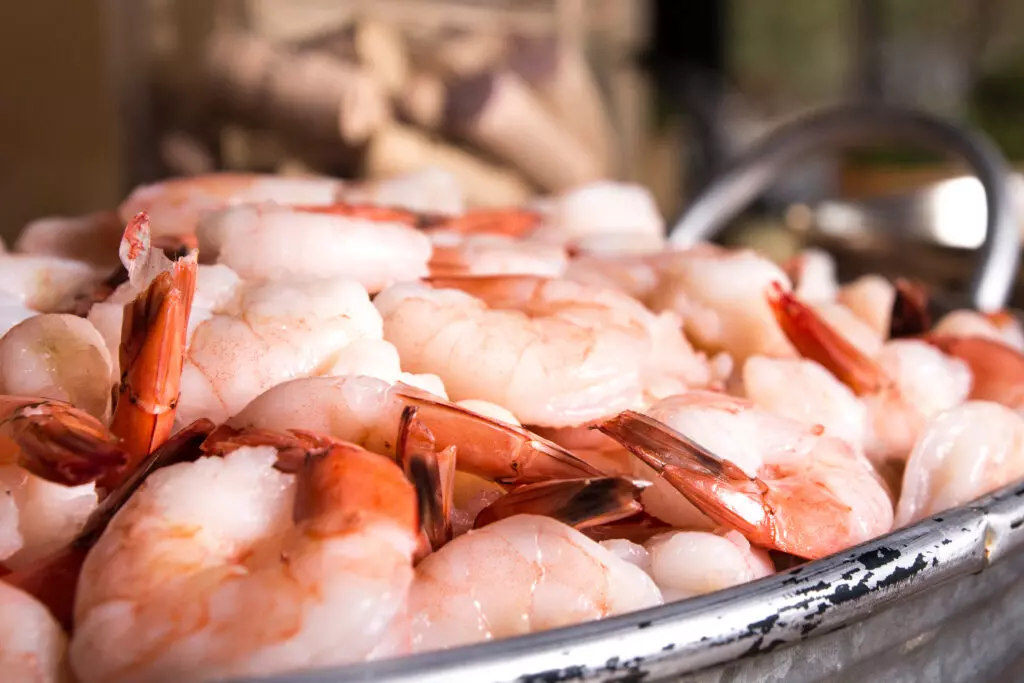
One of the most well-liked seafood alternatives in the world is shrimp. It’s fast to cook, high in protein, and delicious in nearly any dish from pasta to tacos. But if you’ve thawed shrimp and can’t cook it immediately, you might wonder: how long can thawed shrimp stay in the fridge before it goes bad?
Let’s break this down step-by-step, so you’ll know exactly how long thawed shrimp lasts, how to store it safely, and how to spot if it’s spoiled before it ruins your meal or makes you sick.
Understanding How Long Thawed Shrimp Can Stay in the Fridge
The general rule is simple:
Thawed shrimp can stay in the fridge for 1 to 2 days.
That’s it. Whether your shrimp was frozen raw or cooked, once thawed, you’re working with a short window of freshness. The reason lies in the shrimp’s delicate protein structure, which makes it spoil faster than tougher meats like beef or chicken.
To help visualize it, here’s a quick reference table:
| Shrimp Type | Fridge Life After Thawing | Storage Temperature |
| Raw shrimp | 1 to 2 days | 32°F – 38°F (0°C – 3°C) |
| Cooked shrimp | 3 to 4 days | 32°F – 38°F (0°C – 3°C) |
| Previously frozen shrimp | 1 to 2 days | 32°F – 38°F (0°C – 3°C) |
If you’re unsure when you thawed the shrimp, it’s safest to discard it. Seafood spoils silently it might smell okay at first, but bacterial growth happens rapidly once thawed.
Why Timing Matters: The Science Behind Shrimp Spoilage
Shrimp is a perishable protein, rich in water and nutrients that bacteria love. When shrimp thaws, microbial activity restarts, and the clock begins ticking.
Even in the refrigerator, harmful bacteria such as Listeria and Vibrio can multiply slowly over time. That’s why seafood safety experts recommend eating thawed shrimp within 48 hours maximum.
For example, the U.S. Food and Drug Administration (FDA) suggests treating shrimp like any other highly perishable seafood consume it quickly and keep it cold.
Pro Tip: The lower the temperature of your fridge (ideally 34°F or 1°C), the longer your thawed shrimp will stay safe to eat.
How to Properly Thaw Shrimp for Maximum Freshness
The method you use to thaw shrimp plays a big role in how long it lasts afterward.
1. Thawing Shrimp in the Refrigerator (Best Method)
This is the safest and most effective way. Place frozen shrimp in a covered bowl or zip-lock bag and leave it in the fridge overnight. This slow process keeps the shrimp at a consistent, safe temperature.
Shelf life after thawing: 1–2 days.
2. Thawing Shrimp in Cold Water (Quick Method)
Submerge shrimp (in a sealed bag) in cold water for 20–30 minutes. Replace the water every ten minutes to maintain its coolness. Once thawed, cook immediately. Don’t refrigerate for more than 24 hours afterward.
3. Thawing Shrimp in the Microwave (Not Recommended)
Microwave thawing partially cooks the shrimp, which can create uneven textures and make it spoil faster. If you do use this method, cook it right away.
| Thawing Method | Time Required | Safe Storage After Thawing |
| Refrigerator | 12–24 hours | 1–2 days |
| Cold water | 30 minutes | Up to 1 day |
| Microwave | 3–5 minutes | Cook immediately |
How to Store Thawed Shrimp in the Fridge
Even within that 1–2 day window, proper storage makes a big difference in keeping shrimp fresh.
Follow these steps:
- Keep it sealed: Use an airtight container or resealable bag to prevent moisture loss and odor transfer.
- Store on ice: Place the container over a tray of ice or in the coldest part of your fridge.
- Avoid cross-contamination: Never store thawed shrimp above ready-to-eat foods.
- Label it: Note the date and time you thawed it so you know when to cook or discard it.
How to Determine Whether Thawed Shrimp Has Spoiled
Sometimes shrimp looks fine but has already started to spoil. Before cooking, inspect it carefully using the four S’s: Smell, Shade, Surface, and Sliminess.
| Check | Fresh Shrimp | Spoiled Shrimp |
| Smell | Clean, salty, ocean-like | Strong, sour, or ammonia-like odor |
| Shade | Transparent gray (raw) or pink (cooked) | Yellowish or dull color |
| Surface | Firm, slightly moist | Sticky, slimy, or mushy texture |
| Shells | Intact and clear | Discolored or broken shells |
If your shrimp shows any of these warning signs, it’s not worth the risk toss it.
Remember: Spoiled shrimp can cause food poisoning symptoms like nausea, vomiting, and diarrhea within hours.
How Long Can Thawed Cooked Shrimp Stay in the Fridge?
If your shrimp is already cooked before freezing, it lasts a little longer once thawed usually 3 to 4 days.
However, even cooked shrimp can harbor bacteria once thawed, especially if exposed to fluctuating temperatures. Keep it well-sealed and refrigerated at or below 38°F (3°C).
Here’s a simple comparison:
| Shrimp Type | In Fridge (After Thawing) | In Freezer |
| Raw shrimp | 1–2 days | Up to 6 months |
| Cooked shrimp | 3–4 days | Up to 6 months |
| Peeled shrimp | 1–2 days | Up to 6 months |
| Breaded shrimp | 1–2 days | Up to 3 months |
Freezing Shrimp Again — Is It Safe?
If you thawed shrimp and didn’t get around to cooking it, can you refreeze it?
Technically, yes but only under specific conditions.
You can refreeze thawed shrimp if it was thawed in the fridge and hasn’t been left out at room temperature for more than 2 hours.
However, each freeze-thaw cycle affects the shrimp’s texture and flavor. It becomes softer, less juicy, and may lose some of its fresh seafood aroma.
Pro Tip: If you know you won’t cook it soon, cook the shrimp first and then refreeze. Cooked shrimp holds up better to refreezing than raw.
Best Practices for Shrimp Safety and Longevity
To get the most out of your shrimp without sacrificing flavor or safety, follow these key storage principles:
- Buy fresh or frozen shrimp from reputable sources.
- Always thaw in the refrigerator never on the counter.
- Keep temperatures consistent. Store shrimp between 32°F and 38°F.
- Label everything. Always date your thawed seafood.
- Cook within 24–48 hours of thawing.
- Don’t rinse shrimp before storing excess water encourages bacterial growth.
Expert Tips for Cooking Thawed Shrimp
Cooking shrimp correctly is just as important as storing it properly. Shrimp cooks fast usually 2–3 minutes per side. Overcooking turns it rubbery, while undercooking risks contamination.
Follow these quick tips:
- Cook shrimp until it’s opaque and curls into a “C” shape.
- Avoid reusing marinade that had raw shrimp in it.
- Use a thermometer internal temperature should hit 145°F (63°C).
- Add shrimp last in stir-fries or pasta dishes to avoid overcooking.
Case Study: Shrimp Storage Mistakes in Restaurants
Food safety experts often investigate restaurant storage issues. In one reported case, a seafood restaurant in Florida failed an inspection because thawed shrimp was kept at 45°F for over 3 days.
Though the shrimp looked fine, bacteria levels had multiplied beyond safe limits. This real-life case reinforces why home cooks should respect the 1–2 day rule shrimp may not always smell spoiled before it becomes unsafe.
Frequently Asked Questions About Thawed Shrimp Storage
1. How long can thawed shrimp stay in the fridge before cooking?
Typically, 1–2 days. Always store it in the coldest part of your refrigerator.
2. How long can cooked shrimp last after thawing?
Cooked shrimp can last 3–4 days, but check for odor or texture changes before eating.
3. Can I thaw shrimp and refreeze it?
Yes, if thawed in the refrigerator and kept cold. Avoid refreezing shrimp thawed in warm water or microwaved.
4. What happens if I eat spoiled shrimp?
You may develop food poisoning with symptoms like nausea, vomiting, and cramps.
5. How can I make thawed shrimp last longer?
Cook it first, then refrigerate or freeze. Cooked shrimp stays safe for up to 4 days in the fridge or 6 months in the freezer.
How Long Can Thawed Shrimp Stay in the Fridge?
To wrap it up:
Thawed shrimp lasts 1–2 days in the fridge if raw, and 3–4 days if cooked.
Always thaw shrimp in the refrigerator, store it properly, and keep an eye on temperature and smell. Seafood is best enjoyed fresh, so plan your meals accordingly to avoid waste and ensure food safety.
Whether you’re making garlic butter shrimp, shrimp tacos, or a rich seafood pasta, a little attention to storage makes all the difference between a great meal and a bad experience.