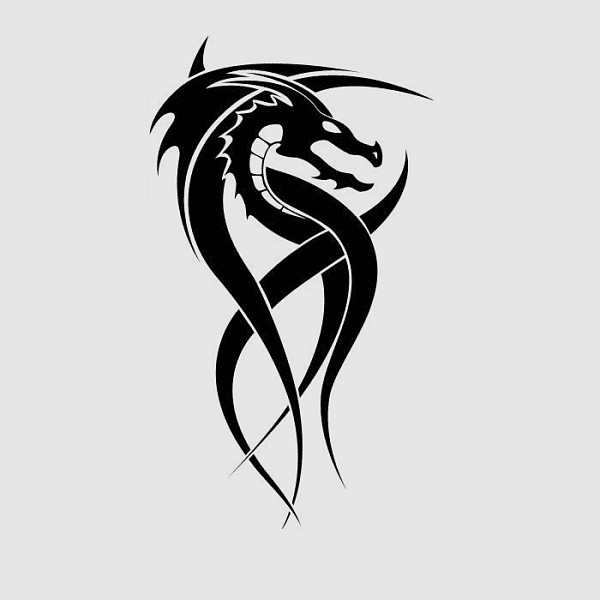
Tattoos tell stories without words, and few designs carry as much weight as the dragon tattoo. Known for their fierce beauty and timeless appeal, dragons have inspired countless designs across cultures. Yet the dragon tattoo meaning isn’t universal. Depending on color, style, and cultural roots, it can represent power, wisdom, chaos, or even balance.
This guide explores every angle of dragon tattoos—history, symbolism, cultural significance, design variations, and personal interpretations—so you can fully understand what these mythical creatures represent before choosing your ink.
What Does a Dragon Tattoo Mean?
At its core, the meaning of dragon tattoos revolves around strength, power, and transformation.These legendary creatures, which represent the elemental forces of fire, water, air, and earth, have fascinated people for ages.
General Symbolism of Dragon Tattoos
- Strength & Power: Dragons are protectors and conquerors.
- Wisdom: In Asian traditions, dragons are wise beings, guiding humans.
- Mystery: Their mythical nature creates an aura of the unknown.
- Transformation: Associated with rebirth and life changes.
- Protection: Many believe a dragon tattoo wards off evil.
Masculine vs Feminine Interpretations
Dragons are versatile, and their meanings shift between genders:
- For men, dragon tattoos often represent warrior spirit, dominance, and resilience.
- For women, they can symbolize protection, independence, passion, or mystery.
This duality makes dragon tattoos appealing to anyone who wants a design rich in symbolism.
The Cultural Significance of Dragon Tattoo Meaning
Dragons appear in myths and folklore around the globe, but the cultural dragon tattoo meaning varies dramatically depending on the region.
Dragon Tattoos in Chinese Culture
- Represent prosperity, luck, and imperial authority.
- Dragons in Chinese mythology are kind, bringing rain and fertility.
- The Emperor of China was considered the “dragon’s son,” and dragon motifs were restricted to royalty.
- A Chinese dragon tattoo often symbolizes honor, power, and spiritual growth.
Dragon Tattoos in Japanese Culture
- In Japan, dragons are water deities tied to rivers, seas, and rainfall.
- They symbolize balance, wisdom, and protection.
- Japanese irezumi (traditional tattoos) often feature dragons intertwined with koi fish or waves, representing harmony between strength and calmness.
Western Perspectives on Dragon Tattoos
- Dragons are depicted as evil villains or erratic creatures in Europe.
- In medieval tales, linked to fire, greed, and devastation.
- However, in some legends, dragons act as guardians of sacred treasures.
- A Western dragon tattoo can symbolize struggle, danger, or triumph over challenges.
Color and Style Variations in Dragon Tattoo Meaning
The color of a dragon tattoo can dramatically change its meaning, making it crucial to choose carefully.
Color Symbolism in Dragon Tattoos
| Color | Meaning |
| Black | Wisdom, experience, authority |
| Red | Passion, energy, courage |
| Gold | Prosperity, wealth, good fortune |
| Blue/Green | Calmness, balance, connection to nature |
Tattoo Styles and Their Meanings
- Traditional Asian Dragons: Spirituality, wisdom, cultural pride.
- Tribal Dragons: Raw power, primal strength, personal heritage.
- Realistic Dragons: A dramatic display of artistry, often symbolizing control or dominance.
- Abstract or Minimalist Dragons: Mystery, personal transformation, subtle symbolism.
Placement and Its Impact on Dragon Tattoo Meaning
Where you place your dragon tattoo can influence its interpretation.
- Back: Represents strength and carrying responsibility.
- Arm/Sleeve: Warrior spirit, protection, outward strength.
- Chest: Passion, courage, deeply personal significance.
- Leg: Freedom, mobility, and journey through life.
For example, a full-back dragon tattoo in Japanese style often signifies protection of the soul, while a smaller wrist dragon tattoo might symbolize personal empowerment.
Famous Dragon Tattoo Designs and Interpretations
Some dragon tattoo designs have universal appeal:
- Oriental Dragon Tattoos: Spirituality, wisdom, protection.
- Celtic Dragon Tattoos: Eternal cycles, life and death balance, nature’s power.
- Modern Minimalist Dragons: Simplicity, mystery, individual identity.
- Dragon + Phoenix Tattoos: Yin-yang balance, harmony, rebirth.
- Dragon + Koi Fish: Overcoming struggles to achieve greatness.
Pros and Cons of Choosing a Dragon Tattoo
Before committing to a dragon tattoo, consider the pros and cons.
Advantages
- Timeless: Dragon tattoos never go out of style.
- Versatile: Can be adapted to different cultures and personal meanings.
- Powerful Symbolism: Rich heritage ensures depth and meaning.
Potential Downsides
- Large Designs: Often require big areas and long sessions.
- Cultural Misinterpretation: A design admired in one culture may carry negative connotations in another.
- Complex Details: Quality depends heavily on the tattoo artist’s skill.
Real Stories — Why People Choose Dragon Tattoos
Many people choose dragon tattoos for personal reasons beyond cultural symbolism.
- Case Study 1: A martial artist in Tokyo inked a blue dragon on his back to represent inner calmness and discipline.
- Case Study 2: A woman in New York chose a red dragon tattoo on her chest as a symbol of independence after leaving a toxic relationship.
- Case Study 3: A Celtic enthusiast got a dragon intertwined with a knot pattern to honor his Irish heritage.
These stories show how tattoos often blend cultural symbolism with personal journeys.
Frequently Asked Questions About Dragon Tattoo Meaning
In Chinese culture, what does a dragon tattoo represent?
It symbolizes luck, prosperity, and authority.
Q2: What does a dragon tattoo mean for women?
For women, it often represents protection, independence, or passion.
Q3: Is a dragon tattoo considered good luck?
Yes, especially in Eastern traditions where dragons are benevolent protectors.
Q4: What color dragon tattoo should I choose?
Choose based on personal traits—black for wisdom, red for passion, gold for prosperity.
Q5: Do dragon tattoos have negative meanings?
In Western culture, they sometimes symbolize destruction or chaos, but context matters.
Conclusion — The Timeless Power of Dragon Tattoo Meaning
The dragon tattoo meaning is layered, powerful, and deeply personal. Whether you choose an Asian dragon for wisdom and prosperity, a Western dragon for strength and defiance, or a Celtic dragon for eternity and balance, the message behind the ink will always carry weight.
When you wear a dragon tattoo, you’re not just wearing art—you’re carrying centuries of mythology, symbolism, and personal strength on your skin.