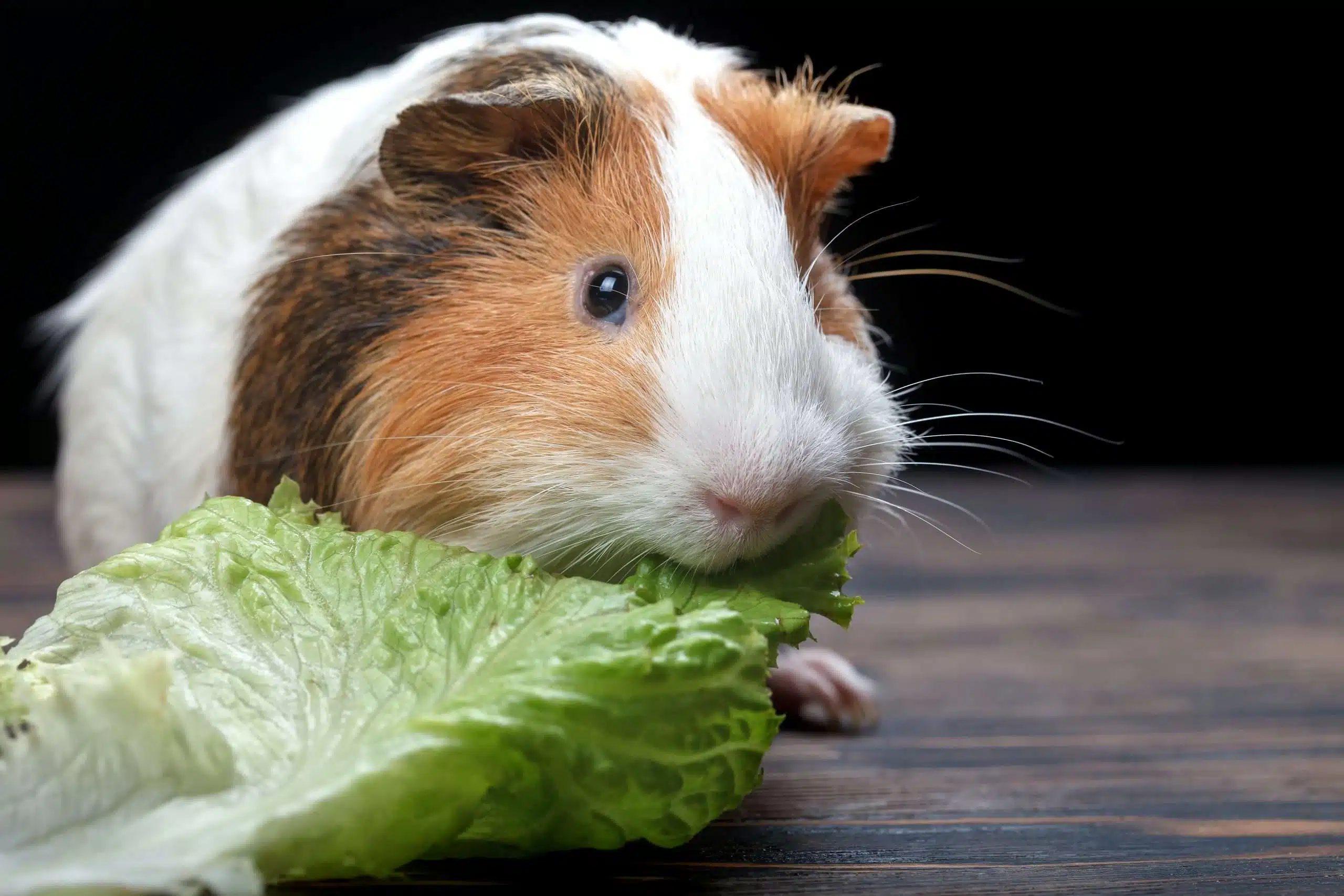
Owning a guinea pig comes with many questions about diet and nutrition. One of the most common is simple yet important can guinea pigs have cabbage? The short answer is yes, but there’s more to it than that. Cabbage can be a healthy addition to a guinea pig’s diet when given in moderation and prepared the right way.
Let’s explore the nutritional value, the benefits, the risks, and how to feed it safely so your little friend stays healthy and happy.
Understanding Guinea Pig Nutrition
Before diving into cabbage, it’s important to know what guinea pigs actually need from their diet.
Guinea pigs are herbivores, which means their nutrition comes entirely from plants. Their digestive systems depend on fiber-rich foods, primarily hay, fresh vegetables, and a small portion of pellets. They also need Vitamin C every single day, because, like humans, their bodies can’t produce it naturally.
A balanced diet for a guinea pig should include:
| Food Type | Percentage of Diet | Examples |
| Fresh Hay | 70–80% | Timothy hay, meadow hay |
| Fresh Vegetables | 15–20% | Leafy greens, peppers, cabbage |
| Pellets | 5–10% | Fortified guinea pig pellets |
| Fruits (occasional treats) | <5% | Apples, strawberries, kiwi |
Cabbage falls under the vegetable category, but not all types or portions are ideal for daily feeding.
Can Guinea Pigs Eat Cabbage?
Yes, guinea pigs can eat cabbage, and most of them love the crisp texture and earthy flavor. However, moderation is key. Feeding too much cabbage can cause gas, bloating, and digestive discomfort due to its high sulfur content.
Why Cabbage Can Be Good
Cabbage contains several essential nutrients that are beneficial for guinea pigs:
- Vitamin C – essential for preventing scurvy.
- Vitamin K – helps with blood clotting and bone health.
- Fiber – supports healthy digestion.
- Antioxidants – fight inflammation and support the immune system.
- Low sugar – safer than many fruits.
A few leaves a few times a week can support their health without causing problems.
Types of Cabbage Guinea Pigs Can Eat
Not all cabbages are equal in nutrition or digestibility. Here’s how each type compares:
| Type of Cabbage | Safe for Guinea Pigs? | Notes |
| Green Cabbage | Yes, in moderation | Common and rich in Vitamin C |
| Red (Purple) Cabbage | Yes | Higher in antioxidants but stronger flavor |
| Savoy Cabbage | Yes | Gentle on digestion and high in nutrients |
| Napa (Chinese) Cabbage | Yes | Softer texture, mild taste, easier to chew |
| Cooked Cabbage | No | Cooking destroys Vitamin C and alters fiber |
| Pickled Cabbage (Kimchi/Sauerkraut) | No | Contains salt, vinegar, and fermentation that harm guinea pigs |
Tip: Always feed raw, fresh cabbage, and rinse it thoroughly to remove pesticides or dirt.
Nutritional Benefits of Cabbage for Guinea Pigs
Cabbage is packed with vitamins that contribute to your guinea pig’s overall well-being. Here’s a quick nutrient breakdown per 100 grams of raw green cabbage:
| Nutrient | Amount | Health Benefit |
| Vitamin C | 36.6 mg | Prevents scurvy, boosts immunity |
| Fiber | 2.5 g | Improves digestion |
| Vitamin K | 76 µg | Aids bone strength and clotting |
| Calcium | 40 mg | Essential for teeth and bones |
| Potassium | 170 mg | Maintains nerve and muscle function |
| Calories | 25 kcal | Low-calorie, ideal for daily feeding variety |
Guinea pigs thrive on foods rich in Vitamin C, so cabbage makes an excellent addition to their weekly rotation of greens like kale, parsley, and bell peppers.
Potential Risks of Feeding Too Much Cabbage
While cabbage is healthy, it can become a problem in large quantities. The high calcium and sulfur content may cause:
- Gas and bloating
- Stomach cramps
- Diarrhea
- Bladder stones (from excess calcium)
Guinea pigs have sensitive digestive systems. Introducing too many new foods quickly can upset their stomach. If you notice your guinea pig becoming gassy or lethargic after eating cabbage, stop feeding it for a few days and consult a vet.
Signs of Digestive Upset
- Reduced appetite
- Swollen abdomen
- Fewer droppings than usual
- Restlessness or hiding behavior
Moderation keeps things safe and enjoyable.
How Much Cabbage Can Guinea Pigs Eat?
Feed 1–2 small cabbage leaves, about two to three times per week. That’s enough to give them the nutrients without overloading their system.
Feeding Guidelines:
- Start with small portions (half a leaf) when introducing cabbage for the first time.
- Observe your guinea pig for any signs of gas or diarrhea.
- Gradually increase to a full leaf if no problems appear.
- Always serve it fresh and raw, never cooked.
- Rotate cabbage with other veggies like romaine lettuce, cilantro, and bell peppers for balanced nutrition.
Example weekly plan:
- Monday Bell pepper + kale
- Wednesday Cabbage + cucumber
- Friday Romaine lettuce + parsley
Variety keeps meals exciting and nutritionally balanced.
How to Prepare Cabbage for Guinea Pigs
Preparation matters as much as quantity. Dirty or wilted leaves can lead to infections or digestive trouble.
Follow these steps:
- Choose organic cabbage whenever possible to reduce pesticide risk.
- Remove the outer leaves (they often contain dirt and chemicals).
- Wash thoroughly under running water.
- Tear the leaf into small pieces for easier chewing.
- Serve at room temperature, not chilled from the fridge.
- Remove uneaten pieces after two hours to keep the cage clean and prevent spoilage.
Clean, fresh servings reduce the chance of bacterial growth and mold.
Fun Facts About Guinea Pigs and Cabbage
- Guinea pigs were first domesticated over 3,000 years ago in South America, where they ate wild greens similar to cabbage.
- Their teeth never stop growing, so chewing fibrous foods like cabbage helps keep them trimmed.
- Cabbage offers a crunchy texture that satisfies their natural urge to nibble.
- Even though cabbage smells strong to us, guinea pigs love its earthy scent.
A well-fed guinea pig is energetic, curious, and vocal often rewarding you with happy squeaks.
Best Alternatives to Cabbage
If your guinea pig doesn’t enjoy cabbage or reacts poorly to it, there are plenty of other Vitamin C-rich vegetables you can offer.
| Vegetable | Vitamin C (mg/100 g) | Feeding Frequency |
| Bell Pepper | 80 mg | Daily |
| Kale | 120 mg | 2–3 times a week |
| Broccoli | 89 mg | Once a week |
| Romaine Lettuce | 24 mg | Every other day |
| Parsley | 133 mg | Occasionally |
| Cilantro | 27 mg | Often |
These veggies provide similar health benefits and can easily rotate with cabbage to prevent overexposure to calcium.
Case Study: Cabbage and Guinea Pig Health
A small group of guinea pig owners tested feeding green cabbage twice a week for two months. The guinea pigs maintained steady weights, healthy coats, and bright eyes all signs of good health. However, two out of ten showed mild bloating when portions exceeded two leaves per serving. After reducing the portion size, symptoms disappeared.
Conclusion: Moderate portions of cabbage provide benefits without side effects.
Quick Recap: Can Guinea Pigs Have Cabbage?
| Aspect | Summary |
| Safe to Eat? | Yes, in moderation |
| Best Types | Green, red, savoy, napa |
| Unsafe Types | Cooked or pickled cabbage |
| Portion Size | 1–2 leaves, 2–3 times weekly |
| Benefits | Vitamin C, fiber, antioxidants |
| Risks | Gas, bloating, calcium overload |
| Alternatives | Bell peppers, kale, lettuce |
Expert Tips for Feeding Cabbage Safely
- Combine cabbage with low-calcium greens like cucumber or lettuce to balance nutrients.
- Never feed wilted or slimy leaves these may carry bacteria.
- Keep a routine feeding schedule to avoid stomach surprises.
- Observe your pet’s droppings and energy daily; they’re good indicators of health.
- Store cabbage in the fridge but let it reach room temperature before serving.
A simple feeding log can help you track what your guinea pig eats and how they respond to new foods.
Final Thoughts: Is Cabbage Good for Guinea Pigs?
So, can guinea pigs have cabbage? Absolutely as long as it’s fresh, raw, and served in small amounts. It’s an excellent source of Vitamin C and fiber, which support strong immunity and digestion. Just remember that moderation is crucial. Overfeeding any single vegetable, even a healthy one like cabbage, can lead to stomach issues.
Think of cabbage as a nutritious side dish, not the main course. When combined with hay, pellets, and a variety of veggies, it helps create a balanced diet your guinea pig will thrive on.
Your furry little friend deserves a menu that keeps them healthy, energetic, and squeaking with joy. So next time you chop a head of cabbage, set aside a crisp leaf or two your guinea pig will thank you.