There’s something magical about sipping hot coffee beside a quiet lake or enjoying a warm meal under the stars. That’s where a camping kettle comes in small, sturdy, and incredibly useful. Whether you’re backpacking, car camping, or living off-grid, the right kettle turns water into comfort.
What Is a Camping Kettle?
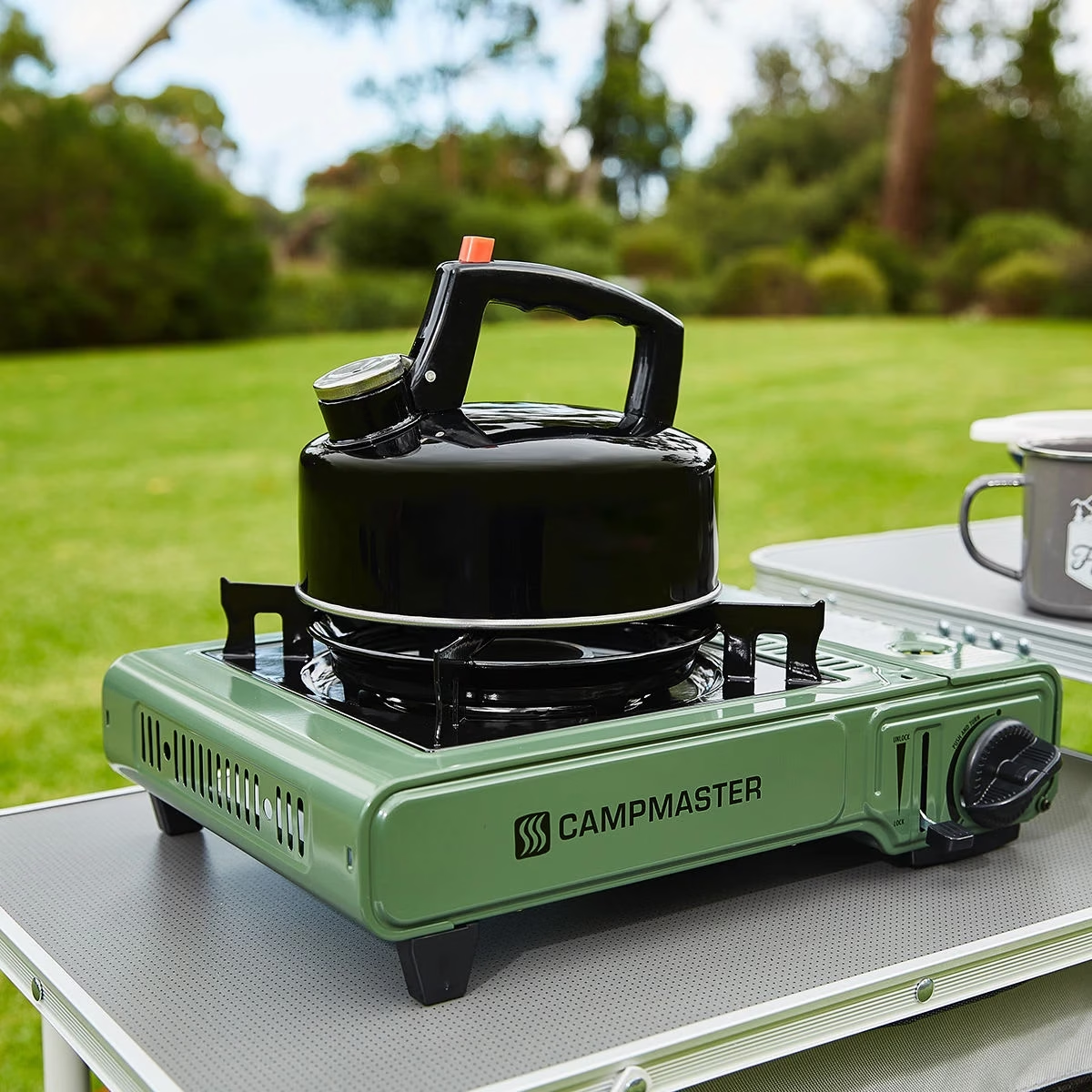
A camping kettle is a compact and lightweight pot designed for boiling water outdoors. Unlike your home kettle, it’s made to handle open flames, gas stoves, or portable burners. Camp kettles are built from durable materials like stainless steel, aluminum, or titanium, and often feature foldable handles or spouts for easy packing.
In short: it’s your go-to gear for making coffee, tea, soup, or dehydrated meals while enjoying nature.
Why You Need a Camping Kettle
If you’ve ever camped without one, you know the struggle of heating water in a regular pot. It’s slow, uneven, and spills easily. Here’s why every camper should invest in a good camping kettle:
| Benefit | Description |
| Efficiency | Boils water faster thanks to optimized heat distribution. |
| Safety | Designed to resist tipping or spilling near open flames. |
| Portability | Lightweight and compact — perfect for packing. |
| Versatility | Works for hot drinks, soups, and sterilizing water. |
| Durability | Made from heat-resistant metals built to last years. |
Example: On a frosty morning, you’ll appreciate having quick access to boiling water for instant oatmeal or hot cocoa no fuss, no waiting.
Types of Camping Kettles
Not all camp kettles are created equal. Your ideal one depends on how and where you camp.
1. Traditional Camping Kettle
These look like small teapots with lids and handles. They’re great for car camping or base camps.
- Best for: Family camping or long trips.
- Material: Usually stainless steel or aluminum.
- Pros: Even heat distribution, sturdy.
- Cons: Heavier than backpacking models.
2. Backpacking Kettle
Designed for minimalists and hikers, these are ultra-light and often collapsible.
- Best for: Solo travelers or lightweight hikers.
- Material: Titanium or anodized aluminum.
- Pros: Extremely light, compact.
- Cons: Smaller capacity.
3. Electric Camping Kettle
If you camp at powered sites or in an RV, this is a game-changer.
- Best for: Car or RV camping.
- Material: Plastic or stainless steel.
- Pros: Quick, automatic shut-off.
- Cons: Requires electricity.
4. Collapsible Silicone Kettle
An innovative pick that folds flat for easy storage.
- Best for: Hikers with limited space.
- Material: Silicone body with metal base.
- Pros: Space-saving, easy to clean.
- Cons: Less durable for open fires.
Key Parts of a Camping Kettle
To make an informed choice, let’s break down the anatomy of a typical camping kettle.
| Part | Function |
| Body | The main container that holds water or food. |
| Lid | Keeps heat in for faster boiling and prevents debris. |
| Handle | Heat-resistant grip for safe pouring. |
| Spout | Allows easy pouring without spills. |
| Base | Flat or wide for better flame contact and stability. |
Each element matters. For instance, a wide base speeds up boiling, while a heat-resistant handle keeps your hands safe when flames are high.
Best Materials for a Camping Kettle
Choosing the right material can affect everything from boiling time to durability.
| Material | Pros | Cons |
| Stainless Steel | Extremely durable, resists rust. | Slightly heavy. |
| Aluminum | Lightweight, fast heating. | Can dent easily. |
| Titanium | Ultra-light, long-lasting. | Expensive. |
| Silicone | Compact and foldable. | Not suitable for open fires. |
Pro Tip: If you’re car camping, go for stainless steel. For hiking, choose titanium or anodized aluminum for the best balance of weight and strength.
How to Use a Camping Kettle Safely
Even simple gear needs care and attention in the wild. Follow these safety practices to make your trips hassle-free:
1. Check Stability
Always place your kettle on a flat, stable surface before lighting your stove or fire.
2. Don’t Overfill
Leave a little space at the top boiling water expands and could overflow.
3. Watch the Handle
Many camp kettles have metal handles. Use a cloth or heat-resistant glove when lifting.
4. Cool Before Cleaning
Let your kettle cool before rinsing. Sudden temperature changes can warp or damage it.
How to Clean and Maintain Your Camping Kettle
Keeping your kettle clean ensures safe drinking water and a longer lifespan.
Cleaning Tips:
- Rinse with warm water after every use.
- Avoid harsh chemicals that corrode metal.
- Use baking soda for deep cleaning stains or residue.
- Dry thoroughly to prevent rust.
Example: If your stainless steel kettle gets mineral stains, fill it with vinegar and water, boil for 10 minutes, and rinse it’ll shine like new.
Boiling Time Comparison
Let’s look at how fast different camping kettle types heat water (based on 1 liter):
| Material | Heat Source | Average Boil Time |
| Aluminum | Gas stove | 3–5 minutes |
| Stainless Steel | Open flame | 5–7 minutes |
| Titanium | Alcohol stove | 4–6 minutes |
| Electric | Plug-in | 2–3 minutes |
As you can see, aluminum and electric kettles win for speed, but stainless steel wins for rugged reliability.
Top Uses for a Camping Kettle
Your camping kettle does much more than boil water. Here’s how versatile it can be:
- Coffee or tea: Start your day right.
- Instant noodles or soups: Perfect for cold evenings.
- Sterilizing water: Essential in survival situations.
- Cooking small meals: Boil rice, eggs, or pasta easily.
- Washing dishes: Hot water helps remove grease outdoors.
Fun Tip: Many campers use their kettle as a mini cooking pot when packing light!
How to Choose the Best Camping Kettle
When shopping for a camping kettle, consider these crucial factors:
1. Capacity
Ask yourself: how many people will use it?
- Solo camping: 0.5–1 liter
- Couples: 1–1.5 liters
- Family camping: 2 liters or more
2. Weight
If you hike long distances, every ounce counts. Opt for lightweight aluminum or titanium.
3. Heat Source Compatibility
Ensure your kettle suits your setup whether it’s a campfire, gas stove, or electric source.
4. Design
A wide base ensures faster heating, while foldable handles make packing easier.
5. Price and Brand
Good brands include GSI Outdoors, MSR, Sea to Summit, and Stanley all known for quality and safety.
Real-Life Example: Why a Good Kettle Matters
Imagine waking up in the wilderness at dawn. The air is cold, mist clings to the ground, and all you crave is a hot drink. You light your stove, place your camping kettle, and within minutes, steam rises like morning magic.
A poor-quality kettle might take twice as long, spill over, or warp under heat. A good one, however, becomes your best friend in nature.
Common Mistakes to Avoid
Even seasoned campers make errors with their kettles. Avoid these pitfalls:
- Using home kettles on open fires.
- Forgetting to empty water before packing — it leads to rust.
- Ignoring carbon buildup on the base.
- Placing silicone kettles directly in flames.
Pro Tip: Always store your kettle dry and keep it in a breathable mesh bag.
Best Camping Kettles in 2025 (Quick Picks)
| Model | Material | Capacity | Best For |
| GSI Glacier Stainless | Stainless Steel | 1L | Durability |
| MSR Pika Teapot | Aluminum | 1L | Lightweight hiking |
| Sea to Summit X-Pot Kettle | Silicone + Aluminum | 1.3L | Space-saving travel |
| Stanley Adventure Kettle | Stainless Steel | 1.1L | Car camping |
| Snow Peak Kettle No. 1 | Titanium | 0.9L | Ultra-light backpacking |
FAQs About Camping Kettles
1. Can I use a camping kettle on an open fire?
Yes , but only if it’s metal-based (stainless steel or aluminum). Avoid silicone or plastic parts.
2. What’s the best size for two people?
A 1 to 1.5-liter kettle works perfectly for two campers.
3. Can I cook food in my kettle?
Absolutely! Many campers cook soup, ramen, or porridge in their kettle.
4. How long does a camping kettle last?
With care, a high-quality one can last 10+ years easily.
5. What’s the easiest kettle to clean?
Stainless steel models resist residue and wash up effortlessly.
The Right Camping Kettle Makes Every Trip Better
A camping kettle may seem simple, but it’s one of the most essential outdoor tools you’ll ever own. Whether you’re making tea under the stars or purifying water in the backcountry, it transforms every camping moment into comfort.
Invest in a durable, well-designed kettle that fits your needs, and you’ll never start a morning in the wild without a warm drink again.