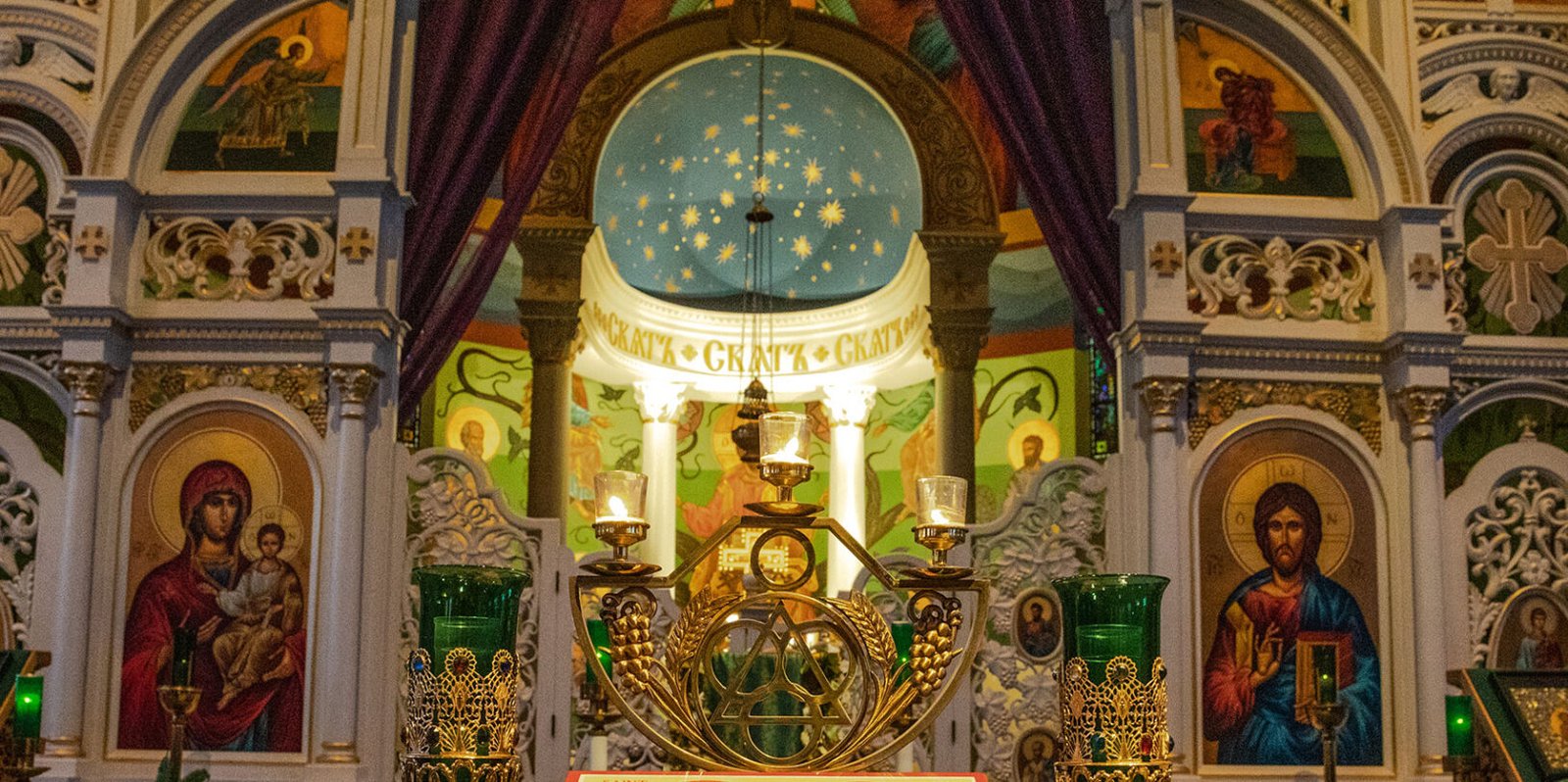
Byzantine imagery in the Catholic Church stands as one of the most captivating artistic traditions in Christian history. Known for its spiritual symbolism, golden hues, and timeless devotion, this art form connects believers to the divine through sacred beauty. Though born in the Byzantine Empire, its influence continues to inspire Catholic churches, art, and architecture across the world.
In this comprehensive guide, you’ll learn about the origins, meanings, symbolism, and modern significance of Byzantine imagery and how it shaped the Catholic Church’s visual identity for centuries.
The Origins of Byzantine Imagery
How Byzantine Art Emerged in Early Christianity
Byzantine art began in the Eastern Roman Empire after the fall of Rome in the 5th century. Its heart was Constantinople (modern-day Istanbul), a melting pot of Greek philosophy, Roman engineering, and Eastern mysticism. Artists sought to express not just beauty but the presence of God through visual symbolism.
Unlike the realism of Roman sculpture, Byzantine art aimed to reveal the divine reality beyond the visible world. Faces were elongated, figures floated against golden backgrounds, and gestures carried deep theological meaning. Every detail in Byzantine imagery was designed to elevate the soul toward heaven.
Symbolism and Style of Byzantine Icons
Byzantine icons aren’t mere paintings they are visual theology. Each brushstroke is symbolic. For example:
| Element | Meaning |
| Gold background | Represents divine light and eternity |
| Blue robes | Symbolize heaven and truth |
| Red garments | Denote divine love or sacrifice |
| Large eyes | Reflect spiritual awareness |
| Frontal posture | Suggests direct communication with the viewer |
The Christ Pantocrator Icon, often seen in domes and altars, captures Christ as both divine and human holding a Gospel in one hand and blessing with the other. This balance of power and mercy became the foundation of Christian iconography worldwide.
The Connection Between Byzantine Imagery and the Catholic Church
The Schism and Its Artistic Consequences
The Great Schism of 1054 divided Christianity into Eastern Orthodox and Roman Catholic Churches, yet art remained a shared language. Both traditions continued using imagery for worship, teaching, and devotion. Even as theology diverged, the beauty of Byzantine art transcended boundaries.
Adoption of Byzantine Art by the Western Church
Early Catholic basilicas, especially in Rome, Ravenna, and Venice, adopted Byzantine techniques such as mosaics and frescoes. The shimmering golden walls of San Vitale and St. Mark’s Basilica mirror the spiritual aesthetics of the East.
Byzantine imagery shaped:
- Church interiors with radiant mosaics of saints and angels.
- Liturgical art, including Marian and Christ icons.
- Devotional practices, where Catholics venerated sacred images as reminders of heavenly realities.
This fusion of East and West forged a universal Christian artistic identity that endures in Catholicism today.
Byzantine Influence on Catholic Art and Architecture
Iconography in Catholic Worship Spaces
Walk into many Catholic churches and you’ll notice Byzantine-inspired icons the Virgin Mary with a solemn gaze, Christ surrounded by light, saints depicted in still reverence. These are not simply decorative; they serve as visual sermons that teach faith through form and color.
Modern Catholic artists continue to draw from Byzantine iconography, especially when portraying:
- The Holy Trinity
- The Virgin and Child
- Scenes from Christ’s life and Passion
Some Eastern Catholic churches, such as the Ukrainian Greek Catholic or Melkite Catholic, preserve the traditional iconostasis a wall of icons separating the altar from the congregation. It represents the mystery of heaven meeting earth during worship.
The Role of Mosaics in Catholic Churches
Byzantine mosaics remain among the most enduring legacies in Catholic sacred art. Each tiny tessera (tile) reflects divine light, symbolizing how all believers together form the body of Christ.
Notable examples include:
- Basilica of San Vitale (Ravenna) Famous for its imperial mosaics of Emperor Justinian and Empress Theodora.
- St. Mark’s Basilica (Venice) A treasure of Byzantine artistry blending Eastern splendor with Western grandeur.
- St. Peter’s Basilica (Rome) Houses mosaics inspired by Byzantine principles of light, order, and sacred proportion.
Symbolism and Theological Meaning of Byzantine Imagery
Icons as Windows to the Divine
The Church Fathers described icons as “windows into heaven.” Unlike ordinary art, icons invite prayer and contemplation. They are not objects of worship but instruments of veneration,a means to honor the divine reality they represent.
As St. John of Damascus wrote:
“I do not worship matter, but the Creator of matter, who became matter for my sake.”
Through Byzantine imagery, Catholics encounter the mystery of the Incarnation,God made visible. This theology of sacred art explains why imagery remains so central to Catholic spirituality.
The Colors and Gestures of Byzantine Imagery
Byzantine artists used color and gesture as a visual language to express theology. Here are key examples:
| Color / Gesture | Meaning |
| Gold | Glory and divinity |
| Blue | Heaven, wisdom |
| Red | Love, martyrdom |
| White | Purity, resurrection |
| Blessing hand | Christ’s teaching authority |
| Open scroll | Divine Word and revelation |
This symbolic art continues to inform Catholic liturgical vestments, stained glass, and church murals today.
The Byzantine Catholic Church and Its Artistic Heritage
The Eastern Catholic Churches in Communion with Rome
While most people associate Byzantine imagery with Orthodox Christianity, several Eastern Catholic Churches,like the Melkite, Ukrainian, and Ruthenian,preserve Byzantine traditions within full communion with the Pope.
These churches celebrate the Divine Liturgy of St. John Chrysostom, use Greek chants, and adorn their sanctuaries with Byzantine icons and mosaics. Their worship emphasizes the unity of art, theology, and prayer, making them living bridges between East and West.
Preserving Byzantine Imagery in Modern Catholicism
Today, the Catholic Church actively supports the preservation of Byzantine imagery. The Pontifical Oriental Institute and various iconography schools teach ancient methods like egg tempera painting and gilding. Modern Catholic artists reinterpret Byzantine forms to communicate timeless truths in contemporary ways.
For example, churches in New York, Toronto, and Rome continue to commission Byzantine-style murals and mosaics proving that this tradition is not frozen in the past, but a vibrant part of modern Catholic identity.
Why Byzantine Imagery Still Matters in the Catholic Church Today
Spiritual and Cultural Continuity
Byzantine imagery connects modern believers to the earliest centuries of Christianity. Every icon is a link in an unbroken chain of faith stretching back to the Apostles. Its beauty teaches that art is not just for admiration but for transformation.
In today’s digital world filled with distraction, Byzantine art offers a sacred silence that draws the heart toward contemplation. It bridges heaven and earth, reminding Catholics that beauty is a path to truth.
Lessons from Byzantine Art for Modern Catholics
Byzantine imagery teaches enduring lessons:
- Faith expressed through beauty can transcend time and culture.
- Symbolism communicates truths words cannot fully express.
- Simplicity and mystery coexist in divine art.
Catholics can learn from the Byzantine devotion to sacred imagery, using it as a tool for deeper prayer and spiritual reflection.
Frequently Asked Questions about Byzantine Imagery in the Catholic Church
| Question | Answer |
| What defines Byzantine imagery? | It’s a sacred art form marked by gold backgrounds, symbolic color use, and spiritual realism. |
| Does the Catholic Church still use Byzantine imagery? | Yes, especially in Eastern-rite Catholic Churches that follow the Byzantine liturgy. |
| Are icons worshiped in Catholicism? | No. Icons are venerated, not worshiped—they direct the heart to God. |
| Where can Byzantine imagery be seen? | In historic basilicas like St. Mark’s (Venice), San Vitale (Ravenna), and in Byzantine-rite Catholic churches worldwide. |
Conclusion: The Living Legacy of Byzantine Imagery
Byzantine imagery in the Catholic Church is more than an artistic relic it’s a living tradition. Every icon, mosaic, and fresco reflects a faith that sees beauty as a bridge to the divine.
From the glittering domes of Ravenna to the serene chapels of modern parishes, Byzantine art continues to shape Catholic spirituality, culture, and worship. Its message remains timeless: through sacred beauty, we glimpse the eternal light of God.