
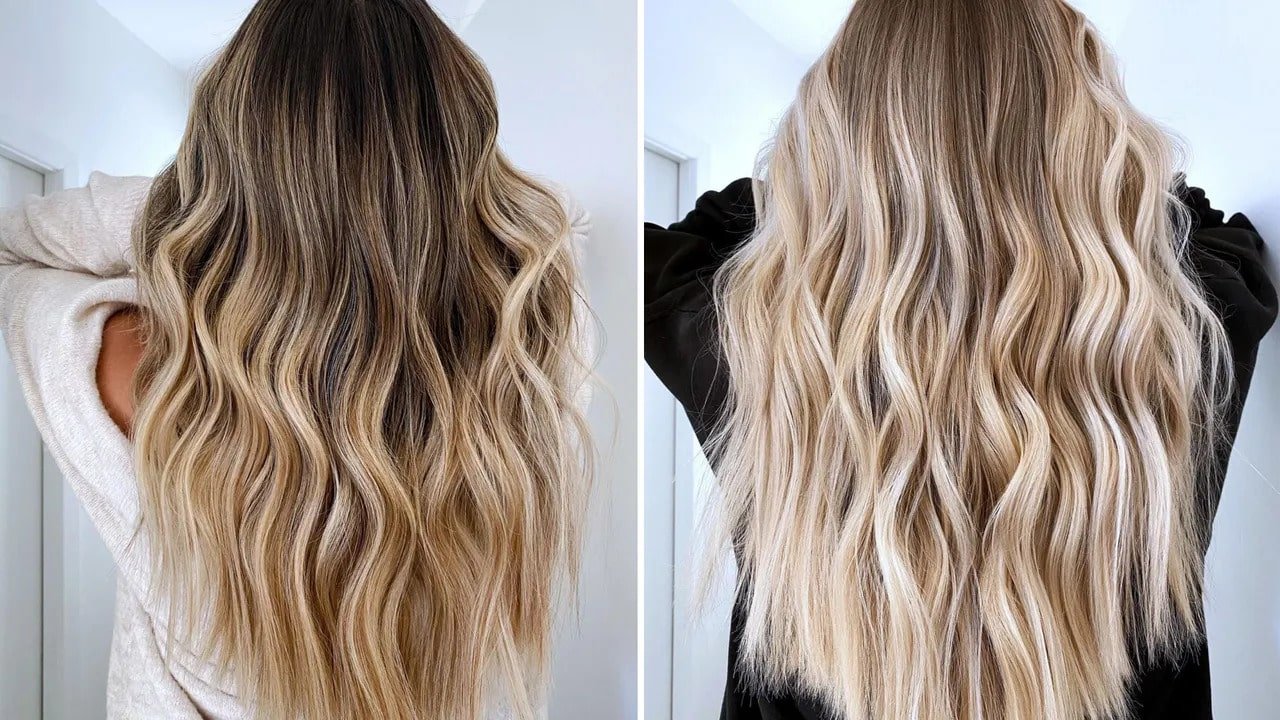
If you’ve ever found yourself wondering about highlights vs balayage, you’re not alone. These two popular hair coloring techniques dominate salons and Instagram feeds, leaving many people asking: what’s the difference? Whether you’re chasing a subtle sun-kissed glow or a bold, defined look, understanding how highlights and balayage differ can help you choose the perfect coloring method for your style, budget, and maintenance level.
This guide will break down both techniques, explore their pros and cons, discuss costs, and help you decide which one suits you best.
What Are Highlights?
Highlights are one of the most traditional and well-known methods of lightening hair. The process involves selecting thin or thick strands of hair and lightening them several shades lighter than your base color. Stylists usually use foils to isolate these sections and apply bleach or dye, allowing for precise color placement and an even lift.
Types of Highlights
There are several types of highlights, each offering a different effect:
- Full highlights: Cover the entire head for an all-over brightened look.
- Partial highlights: Focus on the crown or around the face for a more natural effect.
- Babylights: Super-fine highlights that mimic the natural lightness of children’s hair.
- Chunky highlights: Bolder, more noticeable streaks for a dramatic effect.
Pros and Cons of Highlights
| Pros | Cons |
| Adds depth and brightness to hair | Requires frequent touch-ups |
| Works well for all hair colors | Can be more damaging if done repeatedly |
| Creates strong contrast | Grows out visibly at the roots |
| Great for bold, defined styles | Higher maintenance |
Who Should Get Highlights
Highlights are ideal if you love a structured, defined color pattern. They suit people with darker hair who want noticeable brightness, or anyone looking to add texture and contrast. If you don’t mind regular salon visits, highlights can beautifully transform your look.
What Is Balayage?
The word balayage comes from the French word “balayer”, meaning “to sweep.” Unlike highlights, which use foils, balayage is a freehand painting technique. Your stylist applies color directly onto the hair surface, creating a soft, natural, and sun-kissed gradient that blends seamlessly with your base shade.
Variations of Balayage
Balayage can be customized in many ways:
- Foilayage: A hybrid between balayage and foil highlights, offering brighter results.
- Reverse balayage: Adds depth to overly lightened hair by applying darker tones.
- Ombre balayage: Creates a striking gradient from dark roots to light ends.
Pros and Cons of Balayage
| Pros | Cons |
| Low maintenance grows out naturally | May take longer to apply |
| Healthier for hair less bleach contact | Subtle results might not suit everyone |
| Looks natural and sun-kissed | More expensive initial cost |
| Works well for any base color | Requires an experienced stylist |
Who Should Get Balayage
Balayage is best for people who want a low-maintenance, effortless style. It’s perfect if you prefer a natural, blended color that grows out gracefully. Whether your hair is long, short, straight, or curly, balayage adds a luxurious touch with minimal upkeep.
Highlights vs Balayage. The Key Differences
When it comes to highlights vs balayage, the main difference lies in the application technique, maintenance, and overall finish.
Application Technique
- Highlights: Use foils to separate sections of hair and apply lightener uniformly from root to tip.
- Balayage: Color is hand-painted without foils, focusing more on the mid-lengths and ends for a softer, blended transition.
Color Finish
Highlights give you a defined, high-contrast look, while balayage offers a natural, gradual lightening effect that looks sun-kissed and effortless.
Maintenance Level
- Highlights need touch-ups every 6–8 weeks, as roots become noticeable quickly.
- Balayage, on the other hand, can last 3–4 months before requiring a refresh.
Cost Comparison
| Technique | Average Cost (USD) | Maintenance Frequency | Ideal For |
| Highlights | $80–$200 | Every 6–8 weeks | Structured, bright looks |
| Balayage | $150–$300 | Every 3–4 months | Natural, blended color |
Longevity and Hair Health
Balayage tends to be gentler on your hair, since the lightener isn’t applied directly to the roots and less heat is used. Highlights, though stunning, can be more damaging if done too frequently.
Which Is Better Balayage or Highlights?
Choosing between balayage and highlights depends on your lifestyle, budget, and desired look.
- Choose Balayage If:
- You want a low-maintenance style that looks natural.
- You prefer a sun-kissed, soft gradient.
- You don’t have time for frequent salon visits.
- Choose Highlights If:
- You love bold, dimensional contrast.
- You’re okay with regular touch-ups.
- You want a traditional, brightened look from root to tip.
Expert Tip: “Balayage is perfect for clients who want an effortlessly natural look,” says celebrity colorist Tracey Cunningham. “But for those who love defined brightness, foils are unbeatable.”
How to Choose Between Highlights and Balayage
1. Consider Your Hair Type
Fine or straight hair usually benefits from highlights because they add texture and depth. Balayage works wonders on wavy or curly hair, enhancing its natural movement.
2. Think About Maintenance
If you can’t visit the salon often, balayage’s soft grow-out makes it ideal. Highlights require more frequent upkeep to avoid visible regrowth lines.
3. Budget Considerations
While balayage costs more initially, it saves money long term since it requires fewer appointments. Highlights, though cheaper at first, demand consistent touch-ups.
4. Desired Look
Balayage offers a beachy, natural finish, while highlights deliver bold definition. Think about whether you want to stand out or subtly enhance your color.
Common Myths About Highlights and Balayage
Let’s clear up some common misconceptions:
- Myth 1: “Balayage is only for blondes.”
False! Balayage works beautifully on brunettes, redheads, and even black hair. - Myth 2: “Highlights always damage hair.”
Not if done correctly. Using quality products and deep conditioning treatments can minimize damage. - Myth 3: “You can’t combine both techniques.”
You can! Many stylists use both balayage and highlights for a customized, dimensional effect.
Expert Tips for Long-Lasting Color
Maintaining your color is just as important as choosing the right technique. Follow these pro tips:
- Use sulfate-free shampoos to prevent color fading.
- Deep condition weekly to maintain shine and softness.
- Minimize heat styling and use a heat protectant spray.
- Rinse hair with cool water to seal the cuticle.
- Schedule gloss or toner treatments every few months to refresh the color.
Case Studies Real Transformations
Case Study 1: From Highlights to Balayage
Before: A client with harsh regrowth lines and frequent salon visits.
After: Switched to a warm caramel balayage. The result? A softer grow-out, lower maintenance, and a naturally glowing look.
Case Study 2: Blending Both Techniques
Before: A brunette client wanted brightness without losing depth.
After: The stylist combined partial highlights with balayage for a multidimensional, radiant finish.
“I finally love my color it grows out beautifully, and I don’t feel the pressure to visit the salon every month!” Client testimonial.
Conclusion, Highlights vs Balayage: What’s Right for You?
When it comes to highlights vs balayage, there’s no one-size-fits-all answer. Highlights bring drama and definition, while balayage offers soft, seamless beauty that’s easy to maintain.
If you love structured brightness, go for highlights. If you prefer low-maintenance natural glow, balayage is your best match. Whichever you choose, consult a professional stylist to customize your color for your hair type, tone, and lifestyle.