
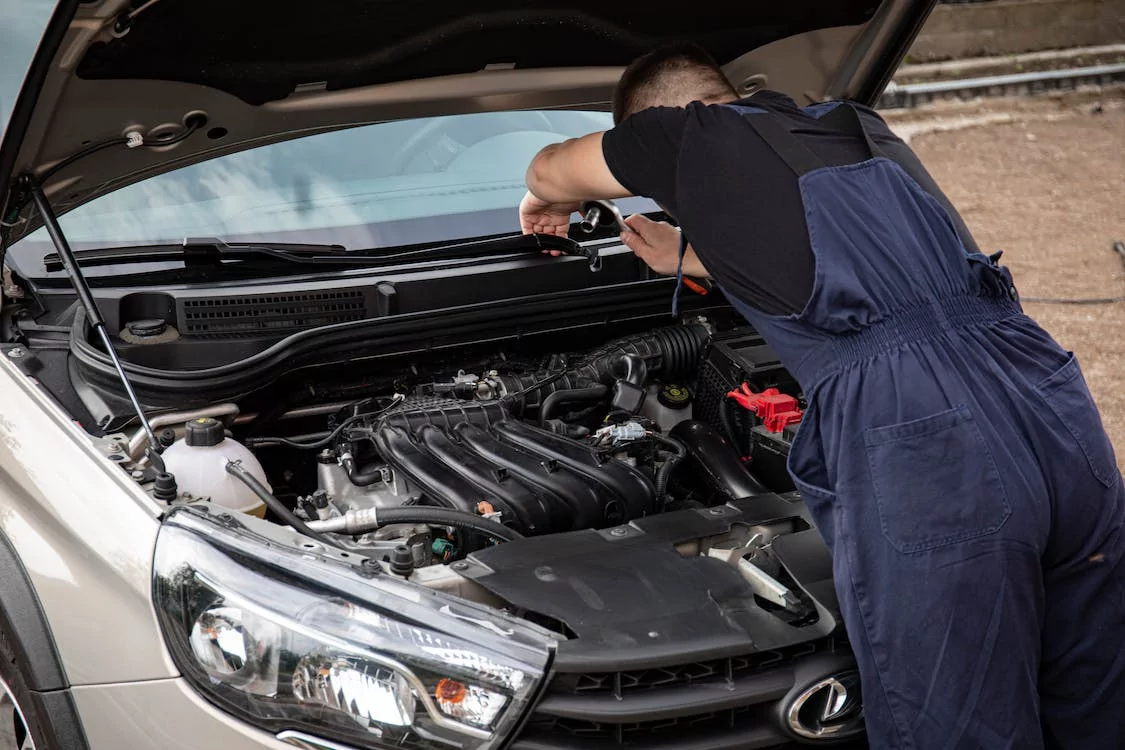
Have you ever walked into an auto repair shop for a simple oil change and walked out with a massive bill for “urgent repairs” you didn’t even understand? You’re not alone. The auto repair industry is filled with honest mechanics who care about their customers, but it’s also notorious for unscrupulous tactics that take advantage of unsuspecting car owners.
This article dives deep into the unethical practices used in the auto repair business, how to recognize them, and how to protect yourself from being ripped off. By the end, you’ll know exactly how to tell if your mechanic is trustworthy or just another scam artist hiding behind a wrench.
Understanding the Auto Repair Industry
The auto repair industry is massive worth over $400 billion annually in the U.S. alone. It plays a critical role in keeping millions of vehicles running safely on the roads. Yet with such size and complexity, the industry has also become fertile ground for shady practices.
Unlike other highly regulated sectors, car repair businesses often operate with minimal oversight. That means dishonest mechanics can exploit gaps in consumer knowledge, charging for work that isn’t needed or even performed at all.
| Statistic | Source | Insight |
| Auto repair scams rank among the top 10 consumer complaints in the U.S. | Federal Trade Commission (FTC) | Shows widespread dishonesty |
| The average American spends $1,200 per year on car maintenance | AAA | Creates financial opportunities for overcharging |
| Around 60% of drivers don’t fully understand their repair bills | Consumer Reports | Lack of awareness leads to exploitation |
The truth is simple: knowledge is your best defense. The more you understand how auto repair scams work, the harder it becomes for dishonest shops to take advantage of you.
Common Unscrupulous Tactics of the Auto Repair Industry
1. Unnecessary Repairs and Part Replacements
One of the most common scams is convincing customers they need repairs or parts that are completely unnecessary. For example, a shop might tell you your brake pads are worn out when they’re still perfectly fine or recommend a new air filter every visit even if it’s clean.
How to spot it:
- Ask to see the worn part before agreeing to replace it.
- Request an explanation of what could happen if the part isn’t changed immediately.
- Compare recommendations with another mechanic before authorizing expensive work.
“If your mechanic can’t clearly explain why something needs replacing, it probably doesn’t.”
2. Inflated Labor Charges
Labor costs are another area where scams thrive. Some auto shops use flat-rate manuals to estimate time for repairs, but dishonest ones exaggerate those times. For example, if replacing a battery takes 30 minutes, a mechanic might bill you for two hours.
Here’s how inflated charges often look:
| Repair Type | Actual Time | Billed Time | Inflation |
| Brake pad replacement | 1 hour | 2 hours | +100% |
| Alternator replacement | 1.5 hours | 3 hours | +100% |
| Spark plug change | 0.5 hour | 1.5 hours | +200% |
Tip: Always ask for an itemized invoice that breaks down labor hours separately from parts.
3. Phantom Repairs
The “phantom repair” scam happens when a mechanic charges you for work that was never done. You might see charges for a new air filter or brake fluid replacement, even though nothing was changed.
How to protect yourself:
- Ask for old parts back.
- Mark parts subtly before handing over your car (e.g., a tiny paint dot).
- Take note of your odometer reading before and after the repair.
If your car’s performance doesn’t change after an expensive fix, that’s a major red flag.
4. Counterfeit or Low-Quality Parts
Another common unscrupulous tactic in the auto repair industry is installing cheap, counterfeit, or used parts while charging for new OEM (Original Equipment Manufacturer) ones. These parts might look fine initially but can cause serious long-term damage.
Warning signs:
- No packaging or manufacturer branding on parts.
- Prices that seem too good to be true.
- Refusal to show receipts for purchased parts.
Always ask if the part is OEM, aftermarket, or refurbished and get it in writing.
5. Misleading Diagnostic Fees
Many repair shops offer “free diagnostics,” but what they don’t tell you is that the test results might be exaggerated to upsell repairs. Some even charge outrageous fees just to “look” at your car, regardless of the outcome.
Smart move:
- Ask upfront if the diagnostic fee will be waived if you proceed with the repair.
- Request a copy of the diagnostic report before making any decisions.
- Get a second opinion before approving large repairs.
6. Pressure Sales and Fear Tactics
Scare tactics are among the most manipulative tricks in the book. A mechanic might tell you, “You shouldn’t drive another mile your engine could fail!” These emotional appeals push you into quick decisions without understanding the issue.
How to handle it:
- Stay calm and never agree to immediate repairs without evidence.
- Ask for visual proof of the issue (leaks, cracks, corrosion).
- Take your car elsewhere for a second opinion.
“A trustworthy mechanic empowers you with knowledge, not fear.”
Why These Unscrupulous Auto Repair Practices Continue
Dishonest practices thrive because the industry is complex, competitive, and loosely regulated. Many mechanics work on commission, meaning they earn more by selling more services. Combined with customer ignorance, this creates a breeding ground for deception.
Modern vehicles make the problem worse. Advanced sensors and computer systems make it difficult for car owners to verify problems on their own. As a result, customers are forced to rely on what the mechanic tells them trusting that they’re being honest.
Without strict oversight, unethical behavior continues to slip through the cracks.
How to Protect Yourself from Auto Repair Scams
1. Always Get a Written Estimate
A written estimate is your best legal safeguard. It prevents surprise charges and gives you a clear breakdown of what you’re paying for.
Make sure the estimate includes:
- Labor hours and rate
- Part prices and descriptions
- Taxes and fees
- Total cost before repairs begin
2. Ask Questions and Do Your Research
Never feel embarrassed to ask questions. The more informed you are, the less likely you’ll get scammed.
Some smart questions include:
- “Can you show me the problem?”
- “What happens if I don’t fix it today?”
- “Is this an OEM or aftermarket part?”
Check reviews on Google, Yelp, or the Better Business Bureau (BBB) before choosing a shop.
3. Request to See Old Parts
Asking to see old parts forces accountability. It’s one of the simplest ways to ensure replacements were actually done. Keep photos for future reference if needed.
4. Use Reputable or Certified Shops
Look for mechanics certified by:
- ASE (Automotive Service Excellence)
- AAA Approved Auto Repair
- Manufacturer Certified programs
These certifications mean the shop adheres to higher ethical and quality standards.
5. Keep Detailed Maintenance Records
Tracking your car’s service history can protect you from repeat or duplicate charges.
| Date | Service | Cost | Mechanic/Shop | Notes |
| 03/12/2025 | Brake pad replacement | $180 | FastFix Auto | Used OEM pads |
| 06/22/2025 | Oil change | $60 | Speedy Lube | Synthetic oil |
Keeping records also boosts your resale value.
Real-Life Case Studies of Auto Repair Fraud
Case 1: In 2022, a California repair chain was fined for charging customers for oil changes that were never done. Customers discovered the scam when independent shops found old filters still in place.
Case 2: A New York undercover sting revealed several shops conducting fake emissions tests, issuing false compliance certificates to save time.
“An informed customer is the auto industry’s toughest watchdog.” Consumer Protection Bureau
These stories highlight why vigilance matters. When customers speak up, unethical shops are forced to change or shut down.
Legal Rights and Consumer Protection
If you’ve been scammed, you’re not powerless. You can file complaints with:
- The Better Business Bureau (BBB)
- Your state’s Attorney General office
- The Federal Trade Commission (FTC)
You’re also protected under the Magnuson-Moss Warranty Act, which prevents voiding your car warranty for using independent repair shops as long as they use proper parts and methods.
The Future of Auto Repairs: Transparency and Technology
Technology is slowly bringing honesty back to auto repairs.
- AI-powered diagnostics reduce human error and manipulation.
- Digital service reports give customers detailed before-and-after photos.
- Blockchain-based invoices ensure repair records are tamper-proof.
As transparency grows, customers gain the power to make informed decisions without fear of deception.
Conclusion
Not every mechanic is a scammer but the unscrupulous tactics of the auto repair industry are real and widespread. The key is to stay informed, ask questions, and always demand documentation. When you approach car maintenance with knowledge and confidence, no dishonest shop can take you for a ride.
Remember: your car may run on fuel, but trust keeps it on the road.
FAQs About Unscrupulous Auto Repair Industry Practices
- How do I know if my mechanic is scamming me?
Look for vague explanations, missing receipts, or pressure to make instant decisions. - Can I refuse repairs I didn’t authorize?
Yes, you can. Legally, no shop can perform work without your written consent. - What should I do if I suspect fraud?
Contact your state’s Attorney General or file a complaint with the FTC or BBB. - Why do labor costs vary so much?
Different shops charge based on location, expertise, and their own internal time estimates. - How can I find an honest mechanic?
Choose certified shops, check reviews, and build relationships with small, reputable garages.