
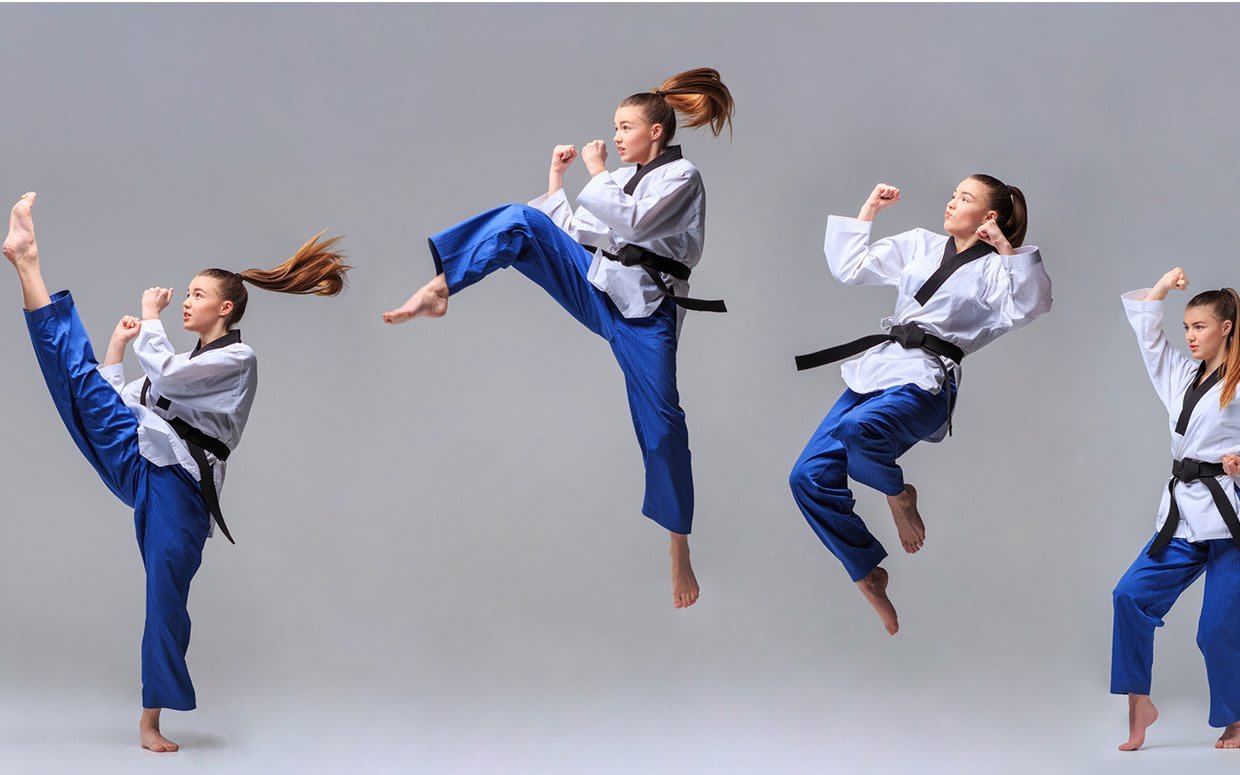
Many people who live with heart conditions wonder if it’s possible to enjoy martial arts training safely. Karate, known for its discipline, focus, and fitness benefits, attracts people of all ages. But can you do karate with a heart condition? The short answer: yes, with precautions and medical guidance. Let’s explore what the experts say, how to train safely, and what modifications can help you enjoy karate without putting your heart at risk.
Understanding Heart Conditions and Physical Activity
Before jumping into karate training, it’s essential to understand how different heart conditions affect physical performance.
What Is a Heart Condition?
A heart condition refers to any disorder affecting how your heart functions. Common types include:
- Coronary artery disease (CAD): a condition in which the arteries that carry blood to the heart become constricted.
- Arrhythmia: Irregular heartbeat patterns.
- Heart failure: A condition in which the heart has trouble pumping blood effectively.
- Congenital heart defects: Structural abnormalities present from birth.
- Valve disease: Problems with one or more of the heart’s valves affecting blood flow.
Each of these conditions impacts how your body handles stress and physical activity. The key is understanding your exercise tolerance and working within those limits.
Exercise and the Heart — The Medical Connection
Exercise strengthens the heart, improves circulation, and boosts overall endurance. However, overexertion can increase blood pressure and oxygen demand, which may stress a weakened heart.
According to the American Heart Association, people with stable heart conditions benefit from moderate-intensity exercise including light martial arts as long as training is supervised and adjusted properly.
Key benefits include:
- Improved heart efficiency and blood flow.
- Lower resting heart rate.
- Better cholesterol levels and blood pressure control.
- Reduced anxiety and stress.
Is Karate Safe for People with Heart Conditions?
The Physical Demands of Karate
Karate isn’t just about fighting it’s an art that blends strength, flexibility, coordination, and mental focus. A typical class includes:
- Warm-ups (stretching, jogging, basic drills)
- Kata (prearranged forms and techniques)
- Kumite (sparring practice)
- Cool-downs (breathing and relaxation exercises)
While karate includes bursts of high intensity, many sessions can be adapted to low or moderate intensity, making it suitable for people managing heart conditions.
Medical Perspective , What Doctors Say
Most cardiologists agree that light to moderate karate practice can be beneficial if:
- The person’s condition is stable.
- They avoid overexertion and full-contact sparring.
- They regularly monitor their heart rate and blood pressure.
A 2022 study published in the Journal of Sports Medicine and Physical Fitness found that controlled martial arts training improved cardiovascular health in adults with mild heart conditions.
Quote from Dr. Emily Vargas, Cardiologist:
“Karate can strengthen both body and mind, but it must be approached carefully. The key is progression start slow, listen to your body, and train under medical supervision.”
When Karate May Be Unsafe
Karate may be unsafe if you have:
- Uncontrolled hypertension
- Unstable angina
- Recent heart surgery or heart attack
- Severe arrhythmia
- Heart failure with fluid retention
Warning signs during training include:
- Chest pain or pressure
- Dizziness or fainting
- Shortness of breath
- Irregular heartbeat
Stop what you’re doing right away and go to the doctor if you experience any of these symptoms.
Benefits of Karate for Controlled Heart Conditions
Even with a heart condition, karate can offer powerful physical and emotional benefits when practiced responsibly.
Physical Benefits
- Enhances cardiovascular endurance.
- Improves balance, flexibility, and muscle tone.
- Encourages better breathing techniques for oxygen efficiency.
- Helps manage weight, cholesterol, and blood sugar levels.
Mental and Emotional Benefits
- Reduces stress and anxiety through mindfulness.
- Builds self-confidence and mental focus.
- Promotes calmness through meditative breathing.
Case Study: Practicing Karate Safely with a Mild Heart Condition
Case Example:
John, a 48-year-old with mild arrhythmia, loved martial arts but worried about risk. With his doctor’s approval, he began training twice a week focusing on kata and light drills. He:
- Monitored his heart rate with a smartwatch.
- Avoided sparring.
- Focused on deep breathing and form.
After six months, John’s endurance and confidence improved and his doctor reported healthier cardiovascular readings.
How to Practice Karate Safely with a Heart Condition
Step-by-Step Safety Plan
- Consult your cardiologist before starting.
- Get a cardiac stress test to assess safe intensity levels.
- Start gradually, focusing on warm-ups and basic moves.
- Monitor your heart rate during each session.
- Avoid high-contact sparring until medically cleared.
Choosing the Right Karate Style
Some karate styles are gentler than others. The table below shows how they differ:
| Karate Style | Intensity Level | Recommended for Heart Conditions |
| Shotokan | Moderate to High | Only with medical clearance |
| Goju-Ryu | Moderate | Good with supervision |
| Wado-Ryu | Low to Moderate | Safe for controlled conditions |
| Kyokushin | High/Full Contact | Not recommended |
Training Modifications
- Practice shorter 20–30 minute sessions.
- Focus on kata, breathing, and balance drills.
- Avoid sudden explosive movements or jumping kicks.
- Include cool-down stretches to stabilize your heart rate.
- Train in a well-ventilated area and stay hydrated.
Medical and Fitness Precautions
When to Stop Immediately
Stop training and seek medical attention if you feel:
- Chest discomfort or pain.
- Shortness of breath not caused by exercise intensity.
- Lightheadedness or fainting.
- Irregular or rapid heartbeat.
Working with Instructors
A supportive instructor can make a big difference.
- Inform your sensei about your condition.
- Request modified routines.
- Avoid pressure to “keep up” with others.
- Train at your own pace and rest when needed.
Alternative Martial Arts or Exercises for People with Heart Conditions
If karate feels too intense, there are low-impact alternatives that deliver similar benefits.
Safer Martial Arts Options
| Activity | Cardiovascular Intensity | Recommended for Heart Patients |
| Tai Chi | Low | Excellent |
| Aikido | Low to Moderate | Good option |
| Yoga (gentle forms) | Low | Great for relaxation |
| Qi Gong | Low | Enhances breathing control |
These activities build flexibility, balance, and inner calm while reducing cardiovascular strain.
Blending Karate with Cardiac Rehabilitation
Some rehabilitation centers now include light martial arts forms in therapy. Under medical guidance, these movements can:
- Improve circulation.
- Encourage better posture and coordination.
- Boost confidence and motivation for recovery.
Expert Tips for Staying Heart-Healthy While Practicing Karate
To protect your heart and stay in shape:
- Eat heart-healthy foods rich in fiber, omega-3s, and antioxidants.
- Avoid smoking and alcohol.
- Stay hydrated before, during, and after training.
- Track your blood pressure and pulse regularly.
- Get enough rest recovery helps your heart rebuild strength.
- Warm up and cool down for at least 5–10 minutes each session.
Conclusion, Can You Do Karate with a Heart Condition?
So, can you do karate with a heart condition? Absolutely as long as it’s done responsibly. Karate can strengthen your heart, improve flexibility, and enhance mental focus. But always:
- Get your doctor’s approval first.
- Choose a low-intensity style.
- Monitor your heart rate closely.
- Focus on technique and breathing, not speed or power.
Karate isn’t just about combat it’s about control, balance, and inner peace. With smart training and awareness, even someone with a heart condition can safely enjoy the art and philosophy of karate.