
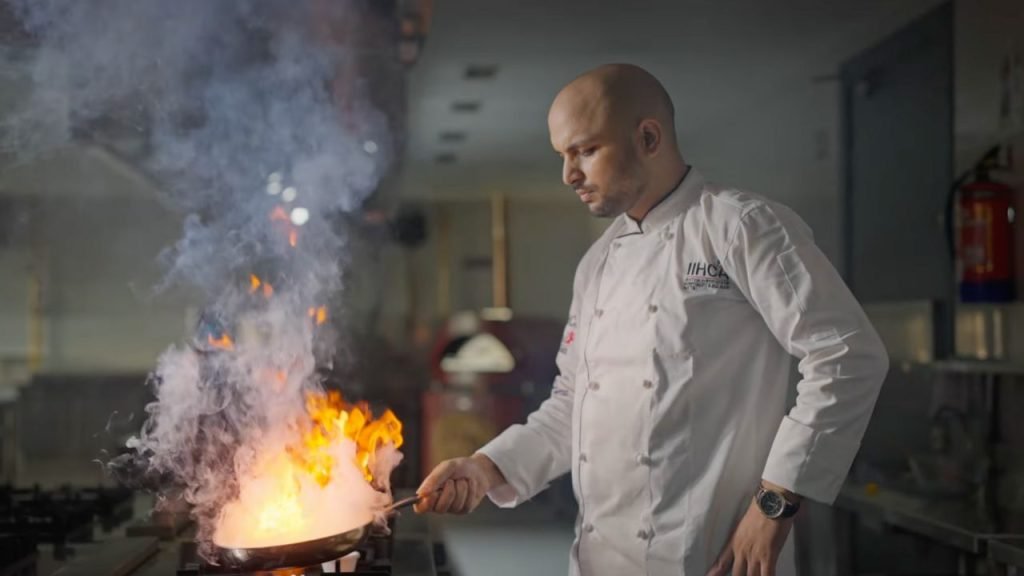
If you’ve ever dreamed of studying culinary arts in the land of opportunity, the USA is one of the best destinations. From New York’s Michelin-starred restaurants to California’s farm-to-table kitchens, America’s culinary schools attract aspiring chefs from every corner of the world. However, before you can chop, sauté, or bake in a U.S. kitchen, you’ll need the right visa for cooking classes in USA.
This comprehensive guide will walk you through everything from visa types to application steps, costs, eligibility, and tips for success.
Why Study Cooking in the USA?
The United States is home to some of the world’s most respected culinary institutions and a vibrant food culture. Studying cooking here isn’t just about learning recipes it’s about immersing yourself in diverse flavors, cultures, and techniques.
Here’s why thousands of international students choose the USA:
- Global reputation: Culinary schools like the Culinary Institute of America and Le Cordon Bleu have trained top chefs worldwide.
- Innovation and diversity: American cuisine blends countless traditions, giving students exposure to French, Italian, Asian, and fusion techniques.
- Career opportunities: Completing a recognized culinary program in the USA can open doors to restaurants, resorts, and international kitchens.
- Networking: You’ll connect with world-class chefs, restaurateurs, and peers from various countries.
“The U.S. culinary industry isn’t just about cooking it’s about creativity, leadership, and innovation.”
Chef Thomas Keller, The French Laundry
Case Study:
Maria, a culinary student from Brazil, joined the Auguste Escoffier School of Culinary Arts in Texas on an M-1 visa. After completing her diploma, she used Optional Practical Training (OPT) to gain experience at a high-end restaurant in Austin. Her U.S. training helped her open a successful bistro back home.
Types of Visa for Cooking Classes in USA
The type of visa you’ll need depends on the length and nature of your cooking program. Below are the main options:
F-1 Student Visa – For Accredited Culinary Schools
The F-1 visa is the most common for students enrolled in academic or professional culinary programs.
Requirements:
- Enrollment in a SEVP-certified culinary school.
- Full-time attendance (not part-time).
- Proof of sufficient financial support.
- English proficiency (TOEFL or IELTS).
Duration: Valid for the length of your course, plus 60 days after completion.
Benefits:
- Eligible for Optional Practical Training (OPT) up to 12 months of paid culinary work experience.
- May apply for Curricular Practical Training (CPT) during study.
M-1 Vocational Visa – For Short-Term or Non-Academic Cooking Courses
The M-1 visa suits students attending vocational or technical cooking classes, such as pastry programs or short-term culinary certificates.
Key Features:
- Cannot work while studying.
- Duration equals the program length (up to one year).
- Renewal is possible but limited.
Ideal For:
Students joining diploma or certificate programs focused on hands-on cooking, baking, or culinary management.
J-1 Exchange Visitor Visa – For Culinary Internships or Training Programs
The J-1 visa is for individuals joining exchange programs or culinary internships. It’s often sponsored by cultural or educational organizations.
Eligibility:
- Must be accepted by a U.S. sponsor organization.
- Can work and train legally during the program.
- Duration varies between 6–18 months.
Example: Culinary trainees working at a U.S. hotel or restaurant as part of an exchange program.
Tourist Visa (B-2) – For Short Cooking Workshops
If you plan to take short cooking workshops (usually under 3 months) that don’t earn academic credit, a B-2 tourist visa might work.
Limitations:
- No employment allowed.
- Cannot join degree or diploma programs.
Important: Always verify your program’s requirements. Attending long-term classes on a tourist visa can lead to visa violations.
Eligibility Requirements for a Visa for Cooking Classes in USA
Before applying, ensure you meet the following criteria:
- Acceptance from a SEVP-certified school
- Valid passport (must remain valid for six months beyond your stay)
- Proof of financial support (bank statements, sponsorship letters)
- English proficiency proof (TOEFL, IELTS, or other test)
- Strong ties to your home country (to prove intent to return)
These requirements vary slightly depending on whether you apply for an F-1, M-1, or J-1 visa.
Step-by-Step Visa Application Process
Here’s how to successfully apply for your U.S. visa for cooking classes:
Step 1 Get Accepted into a Certified Culinary School
Choose a school certified by the Student and Exchange Visitor Program (SEVP).
Popular options include:
- Culinary Institute of America (CIA)
- Auguste Escoffier School of Culinary Arts
- Institute of Culinary Education (ICE)
- Johnson & Wales University
- Le Cordon Bleu College of Culinary Arts
You can search certified schools at studyinthestates.dhs.gov/school-search.
Step 2 Receive Form I-20 or DS-2019
- F-1/M-1 students receive Form I-20.
- J-1 students receive Form DS-2019.
These forms are essential for paying the SEVIS fee and scheduling your visa interview.
Step 3 Pay the SEVIS Fee
Pay the SEVIS I-901 fee online at fmjfee.com.
- F-1/M-1 fee: $350
- J-1 fee: $220
Keep your receipt it’s required during the interview.
Step 4 – Complete the DS-160 Visa Application Form
Fill out the DS-160 form at ceac.state.gov.
Ensure all information matches your passport and I-20/DS-2019 form.
Step 5 – Schedule and Attend the Visa Interview
Book your interview at a nearby U.S. embassy or consulate.
Bring:
- Valid passport
- I-20 or DS-2019 form
- SEVIS fee receipt
- DS-160 confirmation
- Financial proof and school acceptance letter
Common questions:
- Why did you choose this cooking school?
- How will you fund your studies?
- What do you plan to do after graduation?
Cost of Visa and Cooking Classes in the USA
| Expense Type | Estimated Cost (USD) |
| SEVIS Fee | $350 |
| Visa Application Fee | $185 |
| Tuition Fees (per semester) | $8,000 – $25,000 |
| Living Expenses | $1,000 – $2,000/month |
| Health Insurance | $500 – $1,500/year |
Tips to manage costs:
- Apply for culinary scholarships or international student grants.
- Choose community colleges or vocational schools with lower tuition.
- Share accommodation with fellow students to cut living costs.
Work Opportunities for International Culinary Students
While studying, you may have limited work options depending on your visa type:
| Visa Type | Work Permission | Conditions |
| F-1 | On-campus + OPT/CPT | Up to 20 hrs/week during study; 12 months post-completion |
| M-1 | Limited | Practical training after study only |
| J-1 | Permitted | Must align with the exchange program |
| B-2 | Not allowed | Study only; no work permitted |
Top Culinary Schools in the USA for International Students
| Culinary School | Location | Visa Options | Program Type |
| Culinary Institute of America (CIA) | New York, CA, TX | F-1 | Degree & Diploma |
| Auguste Escoffier School of Culinary Arts | Colorado, Texas | M-1, F-1 | Diploma & Certificate |
| Le Cordon Bleu College of Culinary Arts | Multiple States | F-1 | Professional Programs |
| Institute of Culinary Education (ICE) | New York, Los Angeles | F-1 | Professional Diploma |
| Johnson & Wales University | Rhode Island, Florida | F-1 | Degree Programs |
Common Mistakes to Avoid When Applying for a Visa
- Submitting incomplete financial documents.
- Applying to non-SEVP certified schools.
- Misrepresenting your study intentions.
- Attempting to study long-term under a tourist visa.
- Forgetting to maintain your visa status once in the USA.
After Arrival in the USA – What to Do Next
- Check in with your school’s international student office.
- Activate your SEVIS record.
- Open a U.S. bank account and get local insurance.
- Find accommodation near your culinary school.
- Learn local food safety laws and cultural etiquette.
Tips for Success as an International Culinary Student
- Immerse yourself in American cuisine: Try new dishes and cooking styles.
- Network actively: Attend culinary expos and food festivals.
- Build a portfolio: Document your recipes, dishes, and achievements.
- Stay organized: Track visa dates and legal requirements.
“Cooking is an art, but learning it abroad transforms it into a cultural experience.”
Julia Child
Frequently Asked Questions (FAQs)
- Can I take a short cooking course on a tourist visa?
Yes, if it’s non-credit and under 3 months. Otherwise, apply for an M-1 or F-1 visa. - Can I work after finishing my culinary program?
F-1 visa holders can apply for Optional Practical Training (OPT) to work up to 12 months. - How long does visa processing take?
Usually 4–6 weeks, depending on your embassy’s workload. - What’s the cheapest visa for culinary study?
The M-1 visa is often more affordable since it’s for vocational programs. - Can I switch schools or programs after arriving?
Yes, with approval from your DSO (Designated School Official) and SEVIS update.