
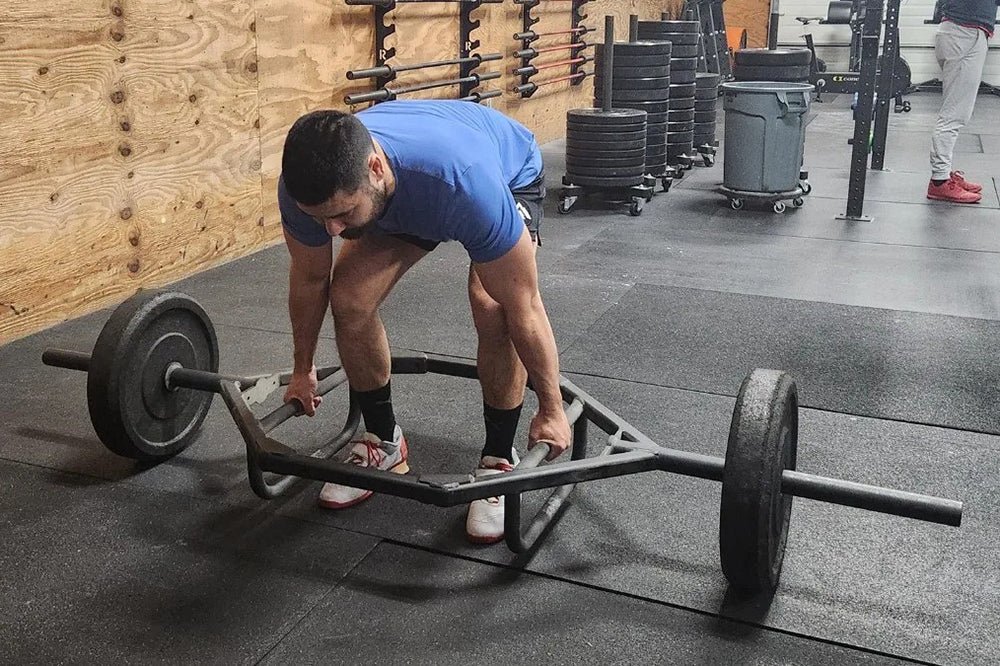
If you’ve ever stepped into a gym and wondered, “How much does a deadlift bar weigh?” you’re not alone. Knowing the weight of the bar you’re lifting is essential for tracking your progress, training effectively, and avoiding injury. The truth is, not all barbells are created equal. Some are heavier, some are lighter, and others have unique flex (or “whip”) that changes the way your lift feels.
In this detailed guide, we’ll break down everything you need to know about deadlift bar weight, including types of bars, standard measurements, and how bar design impacts your performance.
Standard Deadlift Bar Weight , The Quick Answer
Let’s start simple: most deadlift bar weigh 20 kilograms (44 pounds). However, depending on the manufacturer and the type of lifting you’re doing, this number can vary slightly.
Here’s a quick reference table comparing the weights of different bar types you’ll commonly find in gyms:
| Bar Type | Average Weight (kg/lbs) | Purpose |
|---|---|---|
| Standard Barbell | 20 kg / 44 lbs | General lifting and bench press |
| Deadlift Bar | 20–25 kg / 44–55 lbs | Designed for powerlifting and heavy deadlifts |
| Olympic Barbell | 20 kg / 44 lbs | Used in Olympic lifts (clean and jerk, snatch) |
| Women’s Barbell | 15 kg / 33 lbs | Shorter and thinner for smaller hands |
| Training Bar | 10–15 kg / 22–33 lbs | For beginners or technical practice |
The key takeaway? While the deadlift bar weight often matches a standard barbell on paper, its design and feel make it completely different when you lift it.
What Makes a Deadlift Bar Different from Other Bars?
At first glance, a deadlift bar looks like any other barbell. But a closer inspection reveals subtle, powerful differences that can drastically affect your lift.
Here’s what sets it apart:
-
Longer Shaft: Deadlift bars are slightly longer (usually around 90 inches) compared to a standard 86-inch Olympic bar. The extra length adds more flex or whip, which helps lifters pull more weight.
-
Thinner Diameter: Most deadlift bars are 27mm thick, while standard power bars are 29mm. The smaller grip diameter allows better hand control and less grip fatigue.
-
More Whip: The increased flexibility or “whip” helps delay plate contact with the ground, allowing for smoother acceleration through the lift.
-
Aggressive Knurling: Deadlift bars feature deeper, sharper knurling to improve grip during heavy pulls.
In short, a deadlift bar is built for maximum pull efficiency. It lets lifters take advantage of the bar’s flex for better leverage, especially in competitive settings.
Types of Deadlift Bars and Their Weights
Not all deadlift bars weigh the same. Each manufacturer has its own engineering philosophy and build quality. Let’s explore some of the most popular options below.
1. Texas Deadlift Bar
-
Weight: 20 kg / 44 lbs
-
Specs: Known for its exceptional whip and aggressive knurling.
-
Why it stands out: It’s the go-to choice for many powerlifters in the USPA and WRPF federations. The bar’s thin 27mm shaft allows it to flex early, giving lifters better leverage at the start of a pull.
2. Rogue Ohio Deadlift Bar
-
Weight: 20.4 kg / 45 lbs
-
Specs: Made from high-tensile steel (190k PSI), offering great whip and grip.
-
Why lifters love it: It’s widely used in powerlifting competitions for its perfect balance of stiffness and flexibility.
3. Eleiko Deadlift Bar
-
Weight: 20 kg / 44 lbs
-
Specs: Crafted in Sweden with premium steel and precision machining.
-
Highlights: Used in IPF competitions, the Eleiko bar provides consistent feel, balanced flex, and unmatched durability.
4. Generic or Budget Deadlift Bars
-
Weight Range: 18–25 kg (40–55 lbs)
-
Details: These bars are often made from lower-quality steel and may lack the whip or knurl precision of premium bars. However, they’re ideal for home gyms and beginner training.
How the Weight of a Deadlift Bar Affects Your Lift
The weight and flexibility of a deadlift bar directly influence how the lift feels and performs. Here’s why:
-
Bar Whip: A bar that flexes allows you to pull more efficiently, especially in the initial phase of the deadlift. It reduces the distance plates must travel.
-
Grip Comfort: Thinner shafts (27mm) mean your grip can last longer, reducing fatigue.
-
Stability: Heavier or stiffer bars provide more control but require more pulling power off the floor.
Example:
A lifter using a flexible Texas Deadlift Bar might hit a personal best at 500 lbs, but using a stiff Power Bar, they might struggle with 480 lbs. That’s because the Texas Bar lets the lifter exploit the whip for momentum a small but crucial advantage.
Does Bar Weight Differ for Men and Women?
Yes, and this difference is important for proper form and comfort.
-
Men’s Deadlift Bars: Typically weigh 20 kg (44 lbs) and are about 2.2 meters long.
-
Women’s Deadlift Bars: Usually weigh 15 kg (33 lbs) and are slightly shorter, with a thinner grip diameter (~25mm).
These differences aren’t about strength, but rather ergonomics. A smaller grip diameter allows women to maintain better control, improving lifting confidence and reducing injury risk.
How to Check the Weight of Your Deadlift Bar
If your gym doesn’t label their bars, you can easily check for yourself. Here’s how:
-
Check the Bar’s End Cap: Most reputable brands (Rogue, Eleiko, Texas Power Bars) stamp the weight and logo on the bar ends.
-
Use a Scale: Place one end on a sturdy digital scale while supporting the other end horizontally.
-
Consult the Manufacturer’s Website: If you know the brand, you can confirm the specs online.
-
Ask the Gym Staff: Trainers often know the exact type and weight of each bar.
Pro Tip:
If your gym uses unbranded bars, it’s safest to weigh them manually. Even small differences (1–2 kg) can affect progressive overload tracking.
Deadlift Bar Weight Standards in Powerlifting Federations
Different powerlifting federations have varying standards for deadlift bars. Here’s a quick look at how they compare:
| Federation | Bar Weight | Approved Brands |
|---|---|---|
| IPF | 20 kg | Eleiko, Rogue |
| USAPL | 20 kg | Rogue, Texas Power Bars |
| USPA | 20 kg | Texas, Kabuki Strength |
| WRPF | 20 kg | Various approved bars |
Most federations require a 20 kg (44 lb) barbell, but the feel can differ depending on the approved brand. Competitive lifters often train with the same type used in their chosen federation to stay consistent.
Picking the right bar depends on your training goals, budget, and experience level.
Here’s a simple breakdown:
| Experience Level | Recommended Bar Type | Why |
|---|---|---|
| Beginner | Standard or Budget Deadlift Bar | Affordable and sufficient for learning form |
| Intermediate | Rogue Ohio Deadlift Bar | Balanced whip and stiffness |
| Advanced | Texas or Eleiko Deadlift Bar | Competition-grade performance and build quality |
Key Factors to Consider:
-
Bar Whip: Do you prefer more flex or more stability?
-
Grip Diameter: Smaller for comfort, larger for control.
-
Knurling: Aggressive for competition; mild for training.
-
Budget: Premium bars can range from $300–$1,000, while budget ones start around $150.
Final Thoughts, Why Knowing Deadlift Bar Weigh Matters
Understanding how much a deadlift bar weigh might seem like a minor detail, but it plays a major role in your training progress. Knowing the exact bar weight ensures you’re lifting accurately, tracking progress properly, and building strength safely.
Whether you’re a beginner learning the ropes or an advanced lifter chasing records, the deadlift bar you choose shapes your performance.
In short:
The right bar doesn’t just lift weight it lifts potential.
So next time you walk up to the platform, take a second to know what’s in your hands. Because in the world of lifting, precision is power.